
Guide
Why a Door Goes Off Track in Columbia
Columbia's original villages date to the 1960s and 70s, and the region's cold winters put real stress on track hardware. Here's why doors jump track and what to check.
Local detail
The Common Mistake
The usual fix people try is forcing the door back onto the rail by hand, then oiling the rollers and calling it done. That works for about a week. In a lot of Columbia's older sections - Wilde Lake, Harper's Choice, Oakland Mills - the track itself has shifted slightly out of plumb over the decades, and no amount of lubricant fixes a bracket that's worked loose from the jamb. Pushing the door back on without checking the brackets just sets you up for the same jump next cold snap, and each time it happens the rollers wear a little more and the track edge gets a little more chewed up. If the track has a visible bend or a crimp where the door caught, that section needs to come off and get replaced, not hammered straight. Trying to save a bent track by pounding it back into shape is the second most common mistake we see, right behind ignoring the problem until the door won't move at all.
The honest answer is that once a track has bent more than a small amount, straightening it is a temporary patch. New track is not expensive compared to a spring or opener repair, and it's the part that actually stops the problem from repeating.
The area
What Is Going On
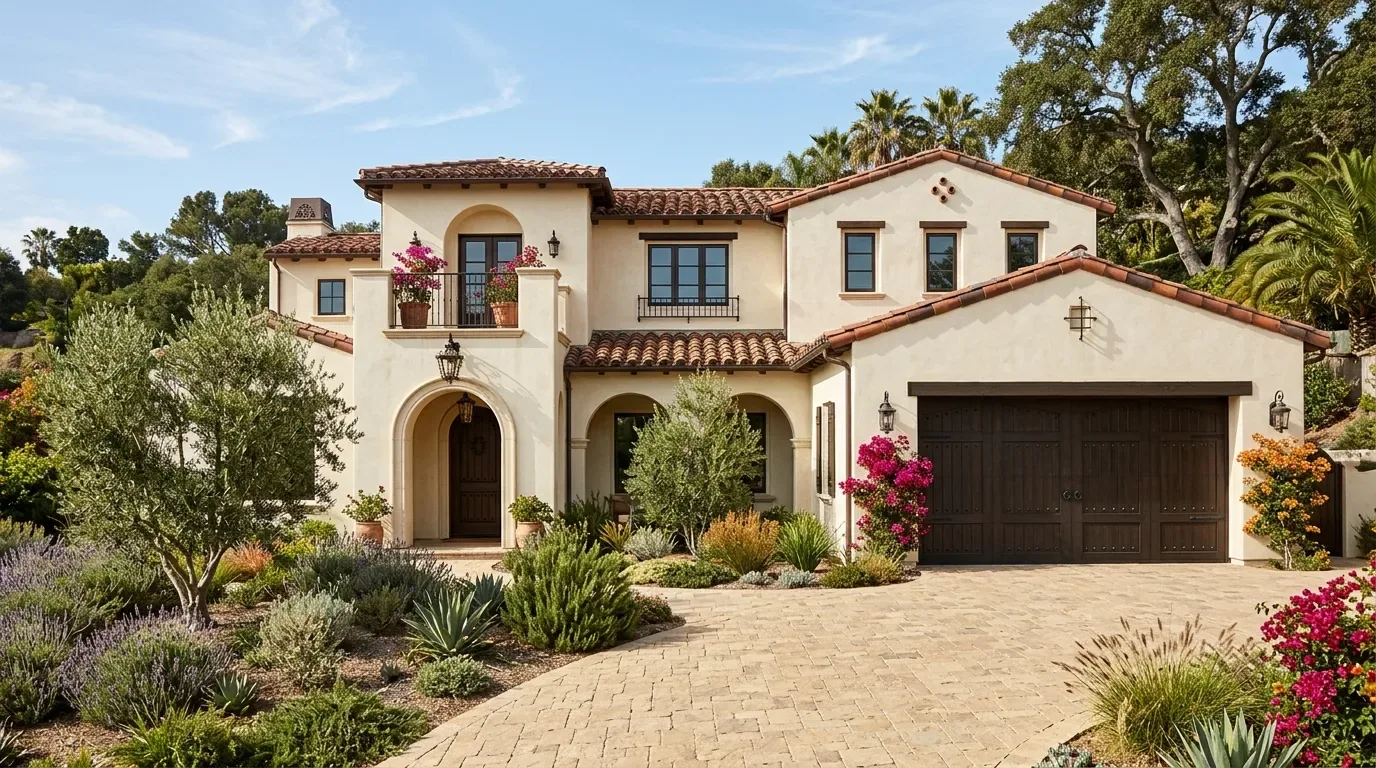
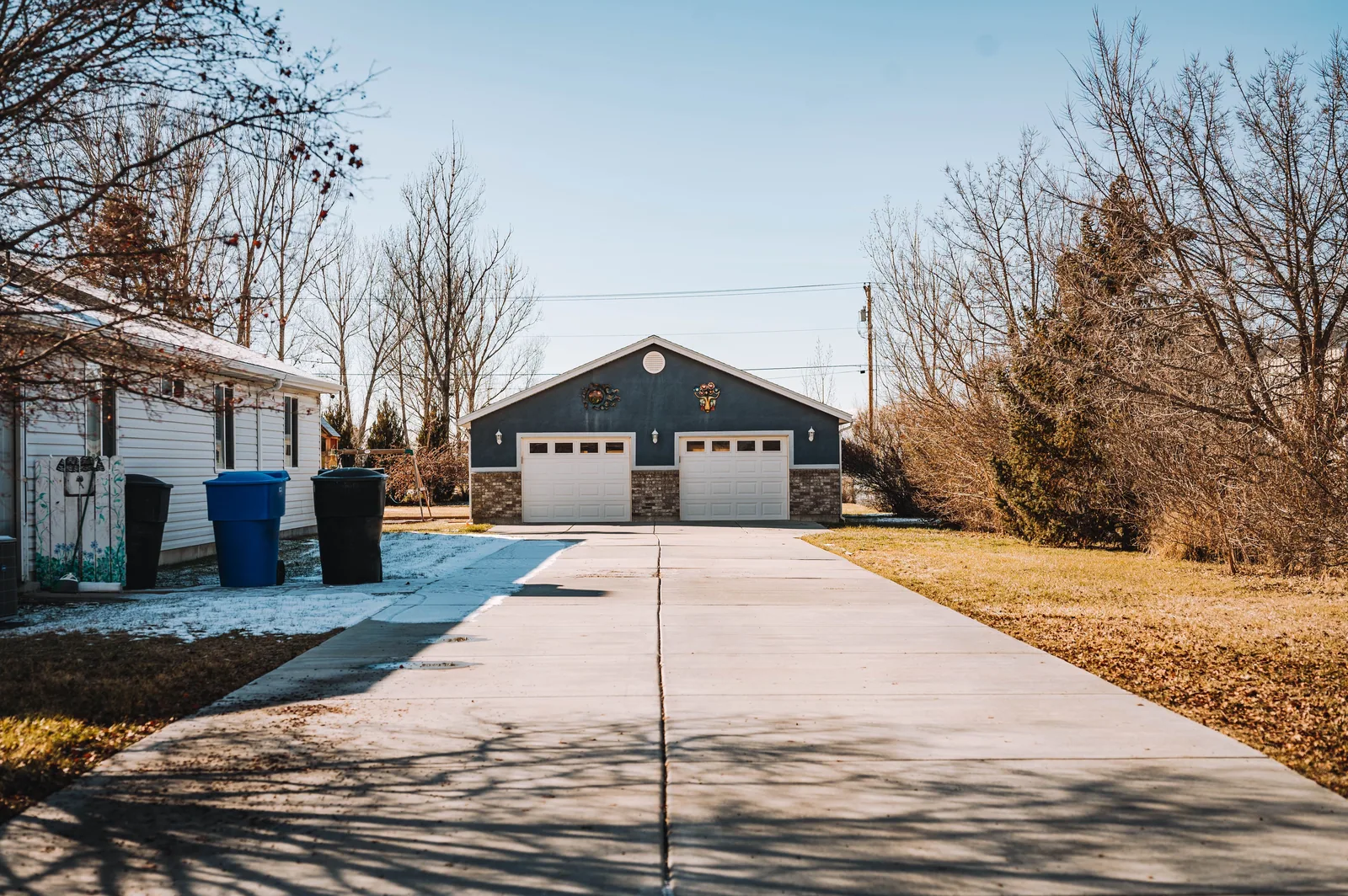
Columbia's housing stock runs from 1948 up through 2014, but the median build year is 1976, and the original villages - Oakland Mills, Owen Brown, Hickory Ridge, Wilde Lake - were built through the 1960s and 70s as the planned community filled in. Track hardware from that era used lighter-gauge steel and shorter mounting brackets than what goes into a door today. Fifty years of seasonal ground movement is enough to walk those brackets loose a fraction of an inch at a time, and a fraction of an inch is all it takes for a roller to catch the lip of the track instead of riding inside it.
Newer sections like River Hill and Long Reach have younger track, but the mechanism that knocks a door off is the same: something at the mounting point - a bracket, a jamb, a hinge - has moved just enough that the roller path isn't straight anymore. A door doesn't jump track because it's old. It jumps because a fastener somewhere stopped holding tight.
What we find
What to Check
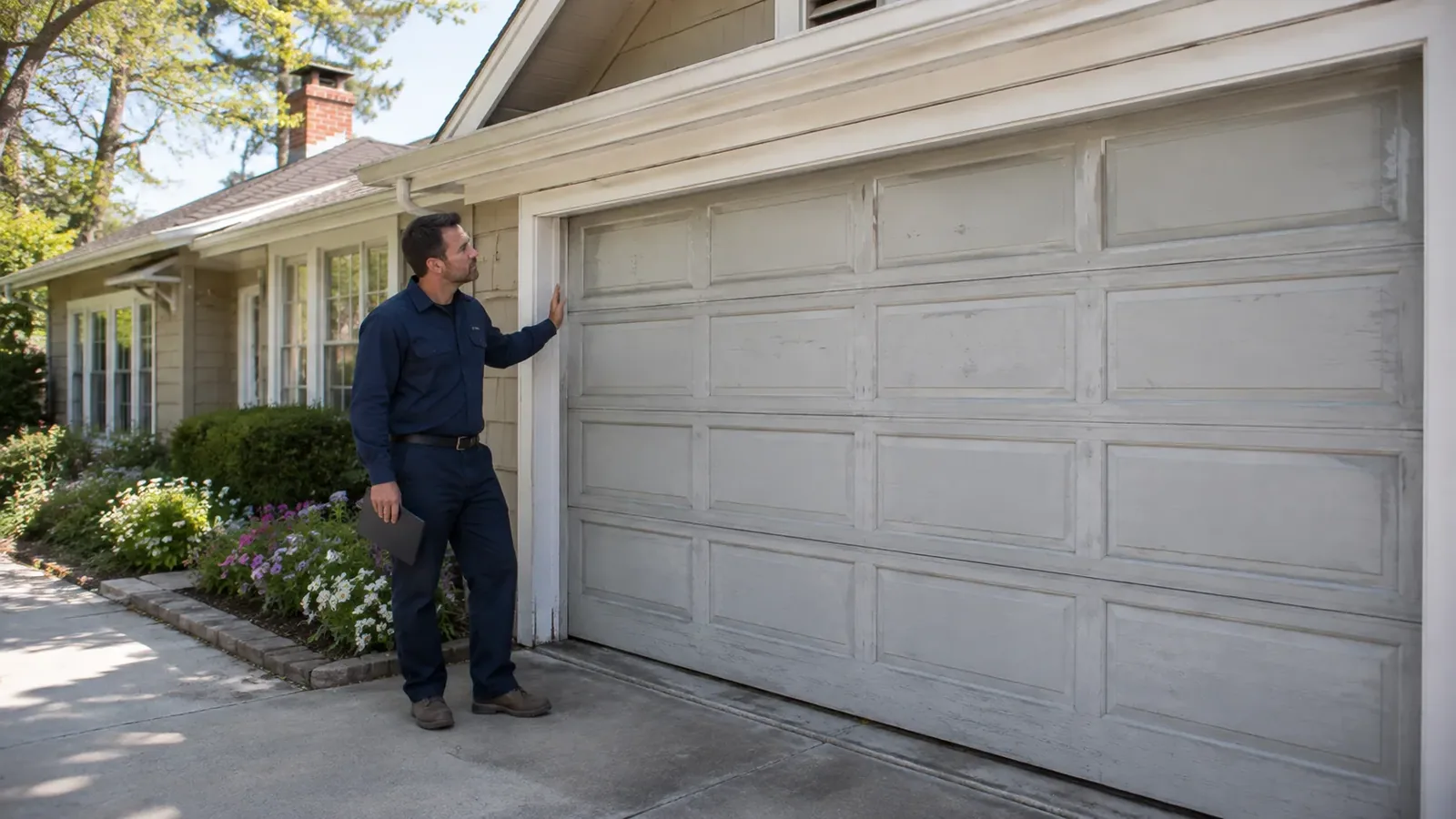
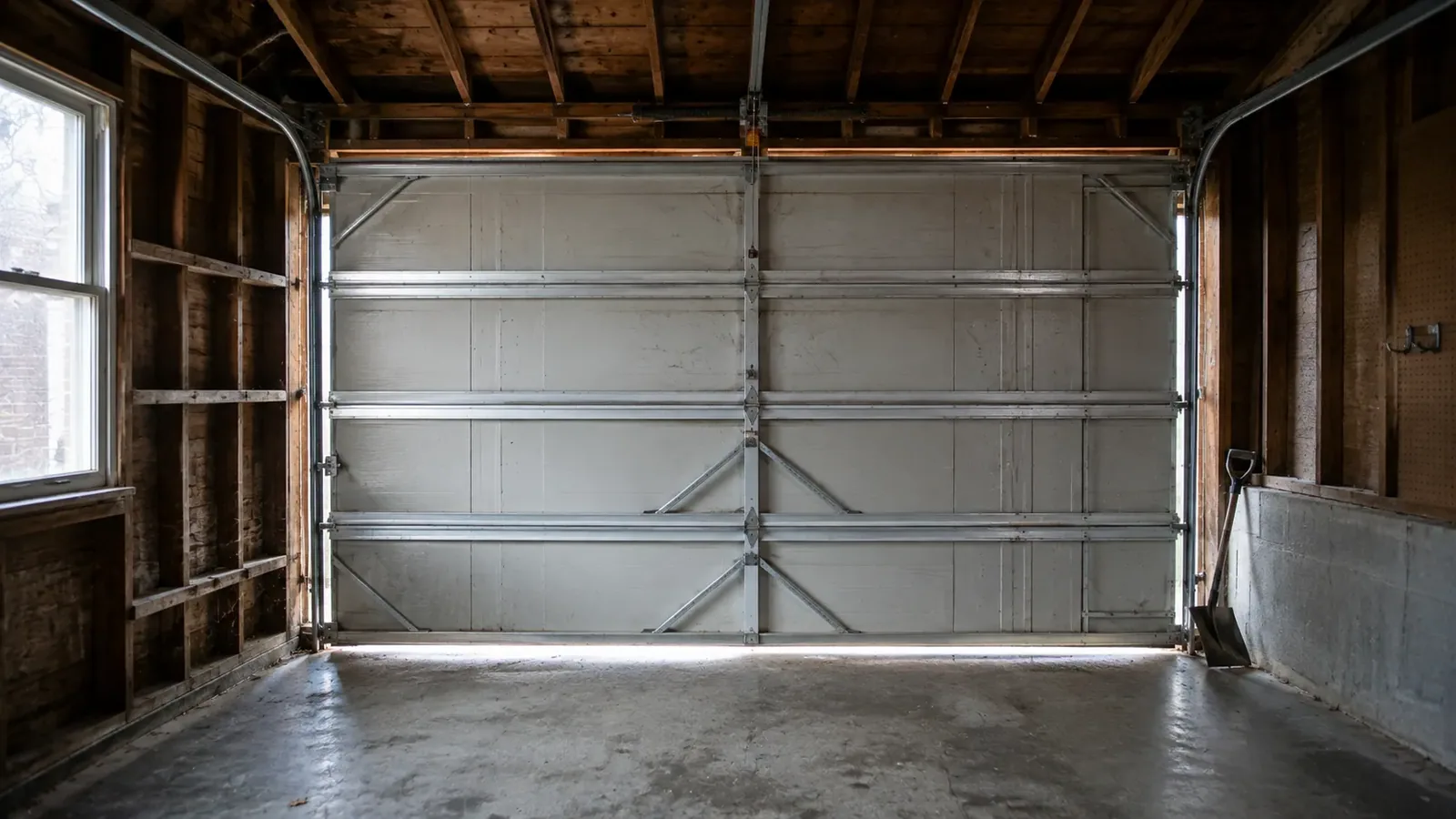
Start at the vertical track sections, top to bottom, and look for daylight between the bracket and the framing. If you can wiggle a bracket by hand, that's your answer - it's not the roller, it's the mount. Next, check the horizontal track where it meets the vertical section near the top of the door; that joint takes the most stress on doors installed before newer bent-radius track became standard.
Look at the bottom roller on the side where the door jumped. If the roller stem is bent or the roller itself has a flat spot, replace it - a worn roller will keep finding the seam in the track no matter how well the track is aligned. Check that both tracks are still the same distance apart top and bottom; a door frame that's racked even slightly will pull one track wider than the other. Last, check the level of the door itself with the opener disconnected. A door that isn't hanging square puts side-load on the rollers every time it runs, which is what walks a bracket loose in the first place.
How we work
What Local Conditions Do
Columbia sits in a cold, severe-winter climate band, and that matters more for track alignment than most people expect. Concrete slabs and jamb framing move with frost and thaw cycles, and even a small seasonal shift in the slab under the door opening changes the geometry the track has to hold. A track that was dead straight in August can be a sixteenth of an inch off by February, and that's often enough for a roller to ride up over the lip instead of staying inside it.
This shows up more in the older villages simply because the hardware has had more winters to work against. A door in a house built in the 1970s in Oakland Mills or Harper's Choice has been through fifty-plus freeze-thaw cycles on the same brackets; a door in newer River Hill construction has had fewer. Either way, the fix isn't insulation or weatherstripping - it's making sure the track mounts are re-set tight before winter, not after the door's already jumped.
Questions
Common questions
Why did my garage door suddenly jump off the track this winter?
Cold-weather ground movement shifts the slab and jamb slightly, which can walk a track bracket loose over time. Once a bracket has enough play, a roller catches the track's edge instead of riding inside it. It's rarely sudden - the bracket has usually been loosening for a while, and winter cold just brings it to a head.
Is my house's age the reason this keeps happening?
It can be a factor. Columbia's original villages were built mostly in the 1960s and 70s, and track hardware from that period is lighter-gauge than what's used now. Fifty-plus years of seasonal movement on original brackets is a common reason older sections keep coming loose.
Can I just push the door back onto the track myself?
You can, but it doesn't fix the underlying cause. If a bracket is loose or the track is bent, the door will jump again, usually worse. Check the brackets and the track itself before you re-hang the door, or the same problem repeats within weeks.
Does a newer house in Columbia have this problem too?
Less often, but it's not immune. Newer sections like River Hill still sit in the same cold climate, and any track mount can loosen over time. The difference is usually how many freeze-thaw cycles the hardware has been through, not whether it can happen at all.
Ready when you are
Need a garage door sorted in Columbia?
Columbia Garage Door Pros repairs and installs garage doors, springs and openers in Columbia, MD and the surrounding area.