
Guide
Detached and Attached Garages Age Differently Here
Columbia's villages mix detached and attached garages built mostly in the 1960s-70s. Here's what that difference means for your door, hardware, and winter performance.
Local detail
The Common Mistake
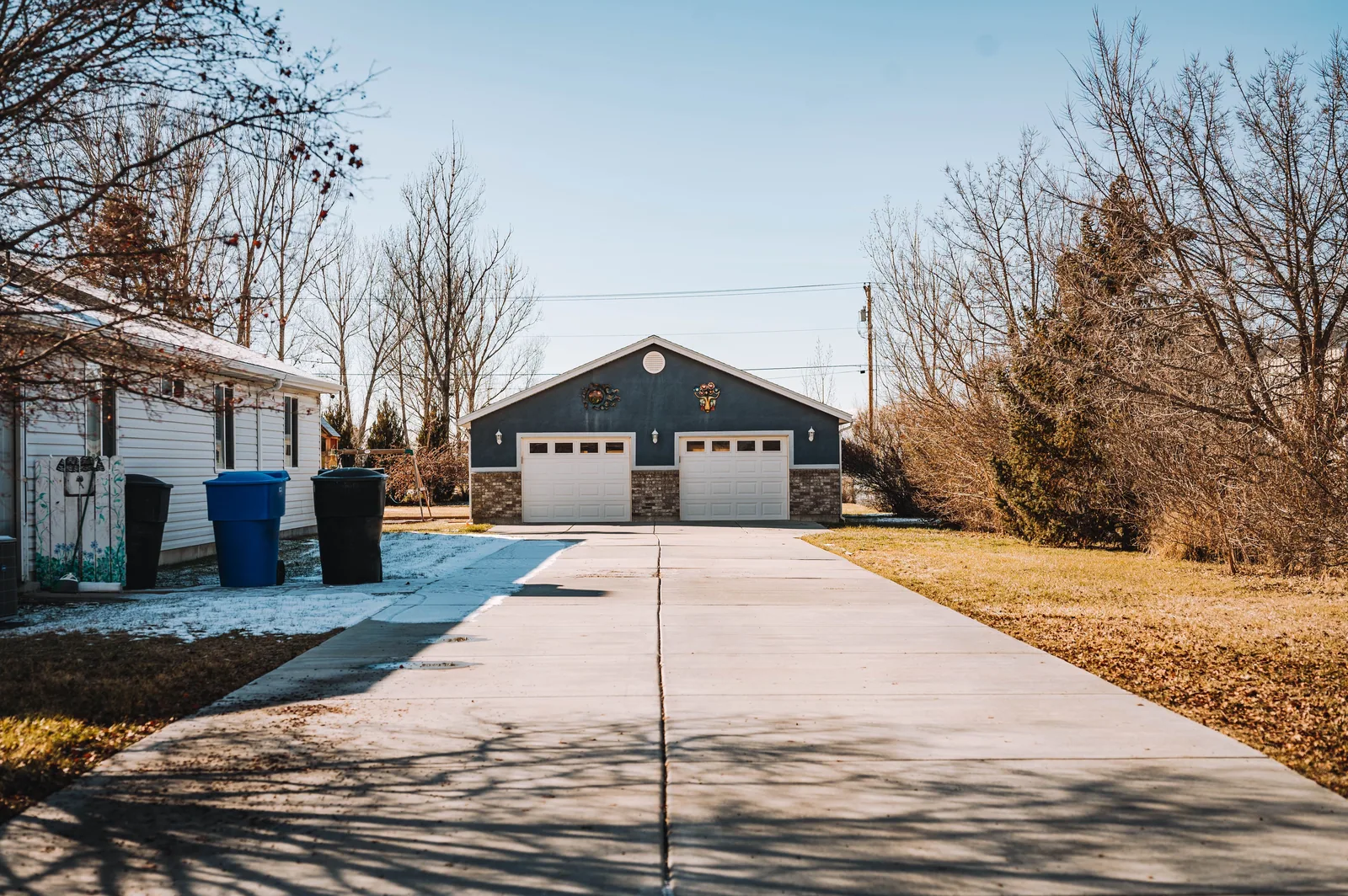
Homeowners across Columbia's older villages - Wilde Lake, Harper's Choice, Oakland Mills - treat a detached garage door the same as the one built into the house, and that's where the trouble starts. A detached garage in this area is usually a standalone structure with its own shallow foundation, often unheated, sitting apart from the house's slab. An attached garage shares a wall and sometimes a heating duct with the living space. Same door hardware might be installed on both, but the building around it behaves nothing alike.
People replace a spring or a roller on a detached unit the same way they would on the attached one and wonder why it fails again in two winters. The structure moves differently, the temperature swings are wider, and the header framing on many of these standalone garages was never built to modern load specs, since most of Columbia's housing dates to 1948 through 2014, with the bulk from the 1960s and 70s. Not every fix travels between the two setups, and assuming it does is the most common mistake we see.

The area
What Is Going On
An attached garage in a Columbia house from the 1960s-70s era usually sits on the same slab as the house, so the door opening has had decades to settle evenly with the rest of the foundation. A detached garage, especially the smaller standalone ones common in the older villages, often has its own footing that was poured separately and moves independently through freeze-thaw cycles. That's a real factor here - this area sits in a severe cold climate band, and repeated freeze-thaw stress on an unheated, detached structure's slab can rack the door frame out of square over the years in a way an attached garage rarely experiences.
You'll see it as a door that binds on one side, or a header that's pulled slightly away from the track bracket. It's not the door itself failing - it's the building around it shifting at a different rate than the house.
What we find
What to Check
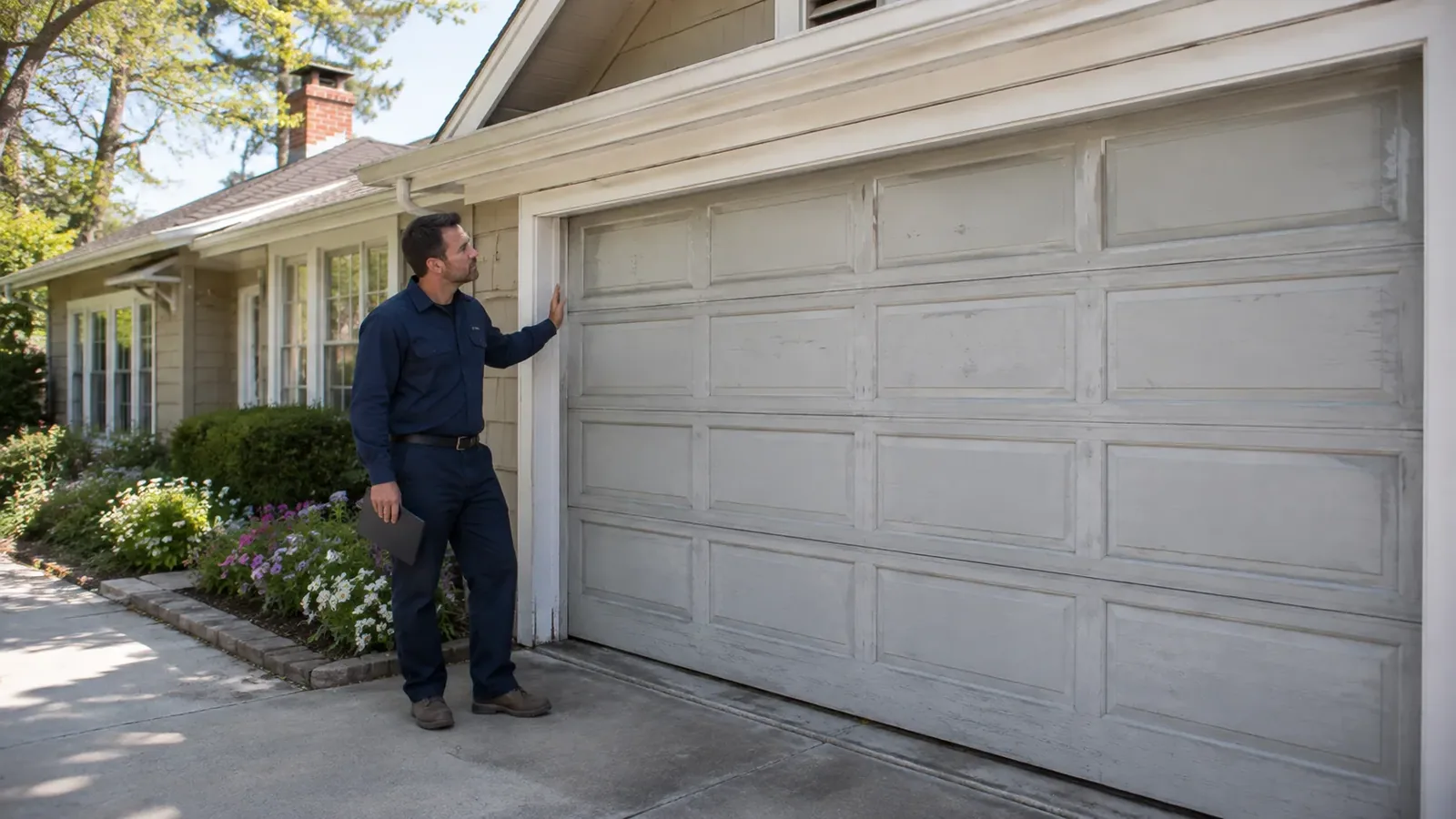
On a detached garage, start at the header and jamb where the track brackets mount - look for daylight or gaps that weren't there when the door was new, since that's the first sign of a foundation that's moved independently of the house. On an attached garage, check the weatherstrip at the wall seam instead; a shared wall with the living space means gaps there let cold and moisture into a space you're actually trying to keep tempered. For both, check spring tension seasonally - severe cold shortens spring life either way, but a detached, unheated garage sees the wider temperature swing, so its spring hardware and roller bearings tend to show wear sooner.
If your track brackets are pulling loose from an older wood header, that's a framing issue, not a door issue, and no amount of new hardware fixes it until the header is addressed. We don't reframe detached structures - that's carpentry work outside what a garage door service handles, and it's worth knowing that going in.
How we work
What Local Conditions Do
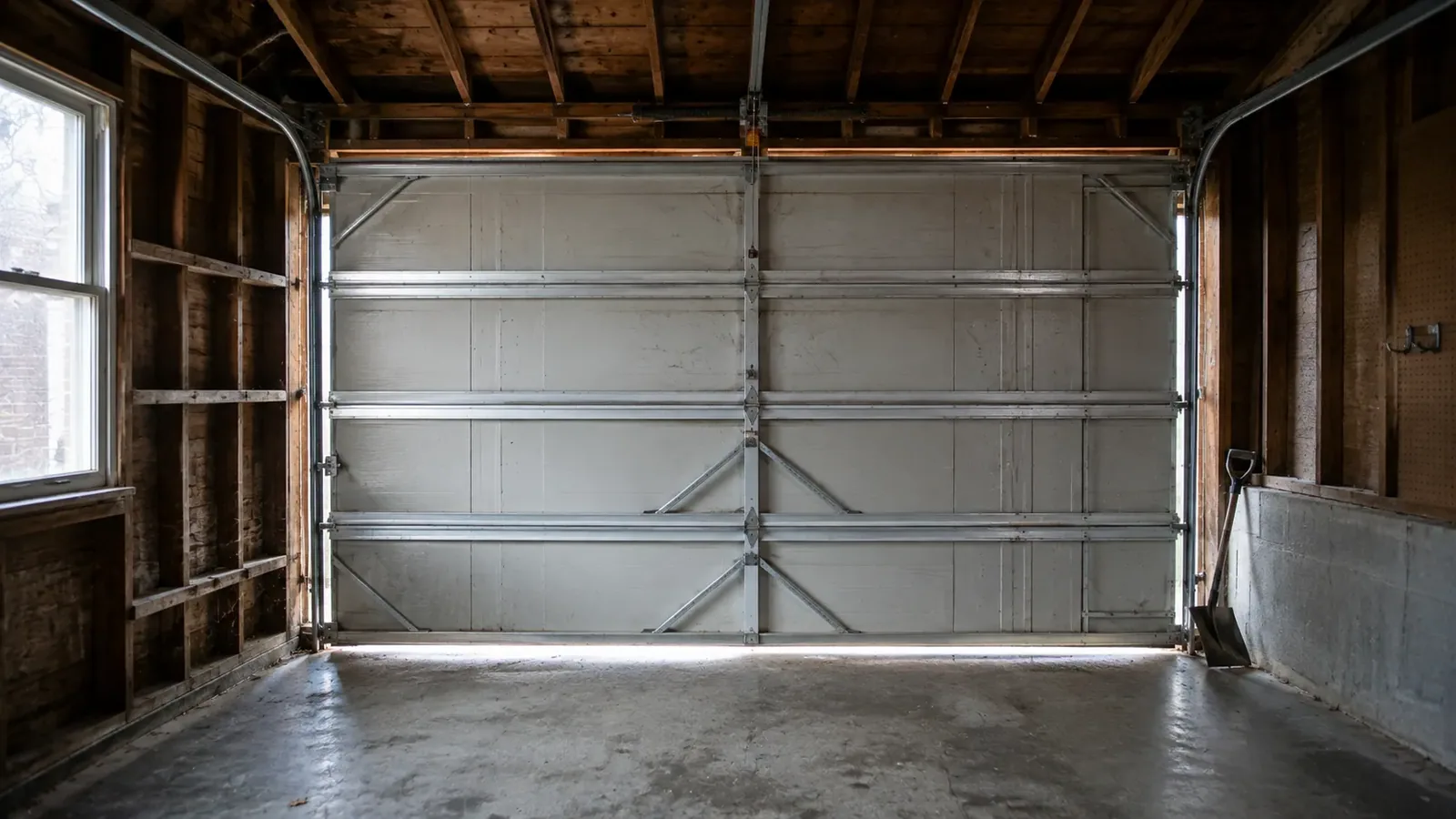
Severe cold here doesn't just stiffen springs - it changes how detached and attached garages perform against each other. An attached garage benefits from residual heat off the shared wall, which keeps the door opening and hardware closer to a stable temperature even on the coldest nights. A detached garage in the same neighborhood, with no heat source, swings through the full outdoor range, and that's harder on cables, rollers, and the door panel seams themselves.
Given that most homes in this service area were built between 1948 and 2014 with the bulk from the 1960s and 70s, a lot of the detached garages still carry original or first-replacement hardware sized for a milder assumption than what severe cold actually delivers over a full winter. That's the gap worth checking before it becomes a broken spring on a Sunday morning.
Questions
Common questions
Does a detached garage need a different door than an attached one?
Not necessarily a different door, but the hardware sizing and maintenance schedule should account for the wider temperature swing an unheated, detached structure sees in a severe cold climate. Springs and rollers on a detached garage typically wear faster than the same parts on an attached garage sharing a heated wall.
Why does my detached garage door bind but my attached one doesn't?
Detached garages here often sit on an independent footing that moves through freeze-thaw cycles differently than the house's slab. Over decades that can rack the frame slightly out of square, which shows up as a door that drags or binds on one side even though the door panel itself is fine.
Is it worth insulating an older detached garage?
That's a call based on how you use the space and your budget, not something we can answer generically. What we can say is that an uninsulated, unheated detached garage in this climate puts more stress on door hardware over time than an attached, tempered one.
Ready when you are
Need a garage door sorted in Columbia?
Columbia Garage Door Pros repairs and installs garage doors, springs and openers in Columbia, MD and the surrounding area.