
Guide
When to Fix, Not Replace, an Older Garage Door in Columbia
Columbia homes from the 1960s and 70s in villages like Wilde Lake and Oakland Mills often have doors well worth repairing despite Maryland's cold winters.
Local detail
The Common Mistake
The mistake we see most in Columbia is an owner replacing the whole door when the door itself is fine. Most of Columbia's original villages - Wilde Lake, Oakland Mills, Harper's Choice, Long Reach, Owen Brown, Hickory Ridge - went up between the late 1960s and mid-1970s, and the wider service area's housing stock runs 1948 to 2014 with a median build year of 1976. That means a lot of doors on the road right now are original steel sections on original torsion hardware, not the door itself failing but the parts around it wearing out.
A stuck door, a loud opener, a track that's pulled loose - none of that tells you the door is bad. It tells you the hardware from that era is at the end of its service life. We get calls asking for a full replacement quote when a spring swap and a track realignment would have solved it.
The reverse happens too: someone patches a bent track for the third time on a door with rust coming through the bottom panel, spending more on repeat visits than a new door would have cost. Knowing which situation you're in before you call matters more than most owners realize.
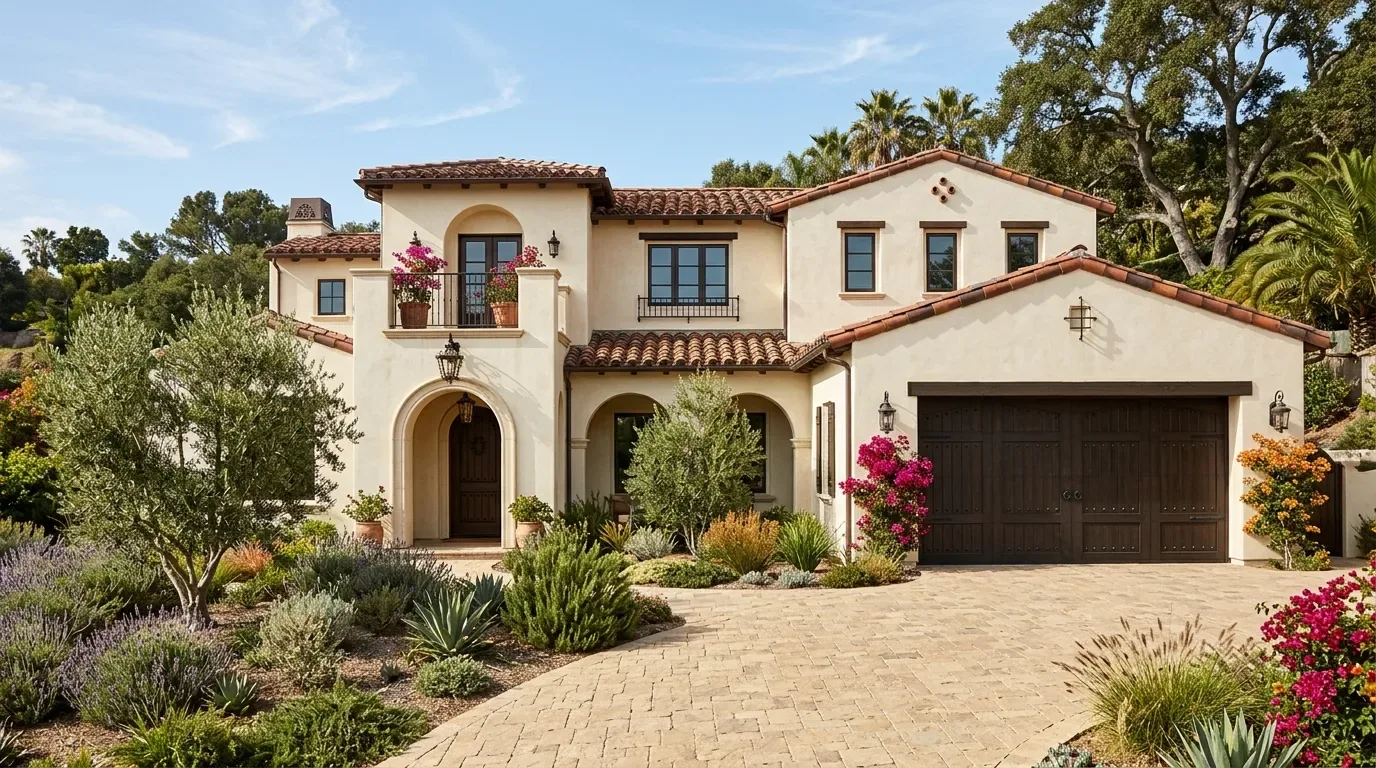
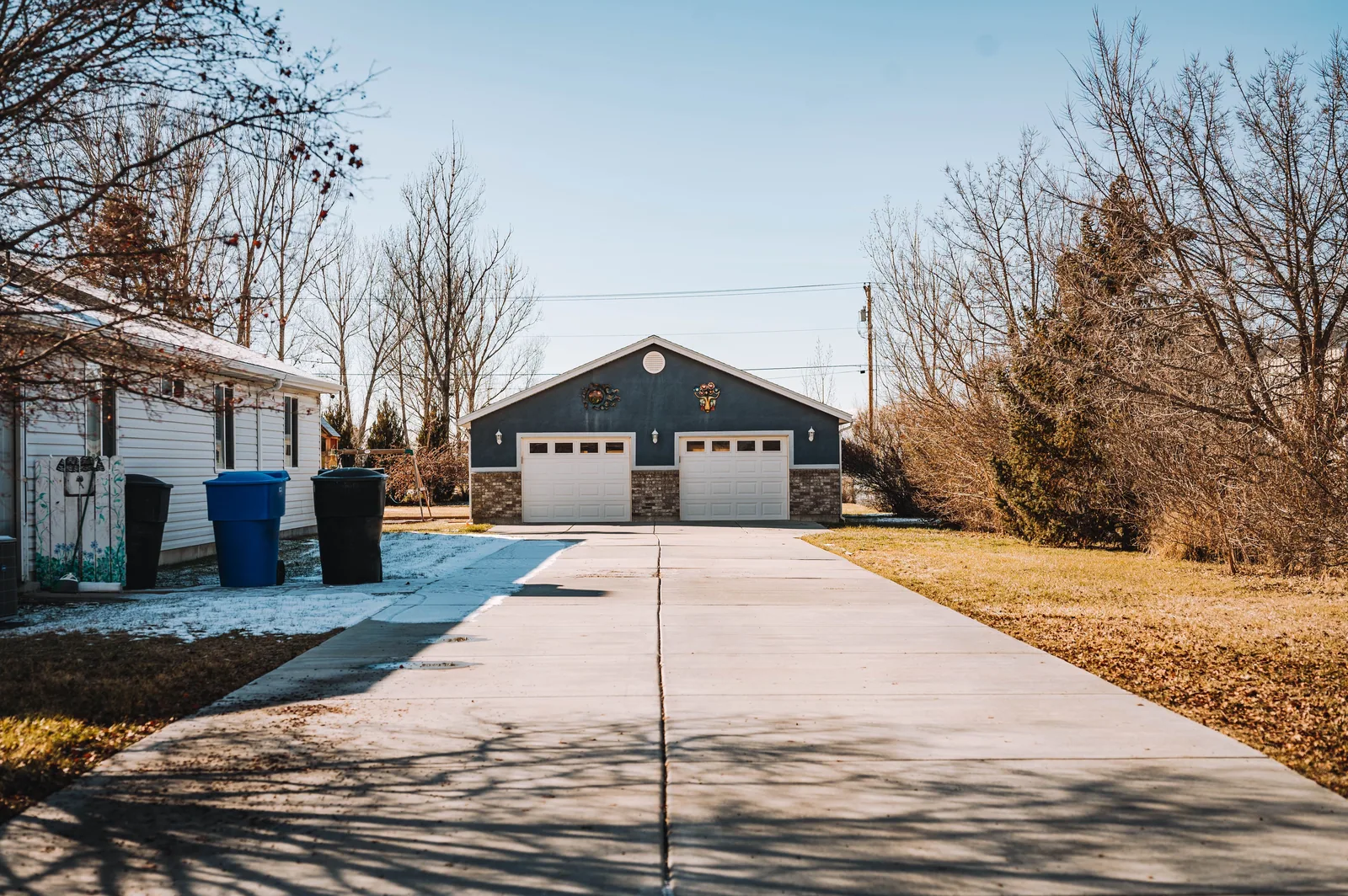
The area
What Is Going On
A door built when Kings Contrivance or River Hill were first platted is now pushing fifty years old, and the parts on it were never meant to last that long without attention. Torsion springs from that era are rated for a set number of cycles, and most have been quietly worn down since before anyone reading this owned the house. Steel panels from the 1960s and 70s building boom tend to be heavier gauge than what's sold today, which is actually good news - the panel itself often outlives the hardware bolted to it.
What fails first is almost always the moving parts: springs, rollers, cables, the opener's drive gear. The door skin can be sound for decades while the mechanism around it has already been replaced twice. This is why an inspection matters more than a guess.
A door that looks tired on the outside can have a perfectly good frame and panel set, and a door that looks fine can be one broken cable away from a real problem. The age of the house tells you what era of hardware you're dealing with. It doesn't tell you the door is done.
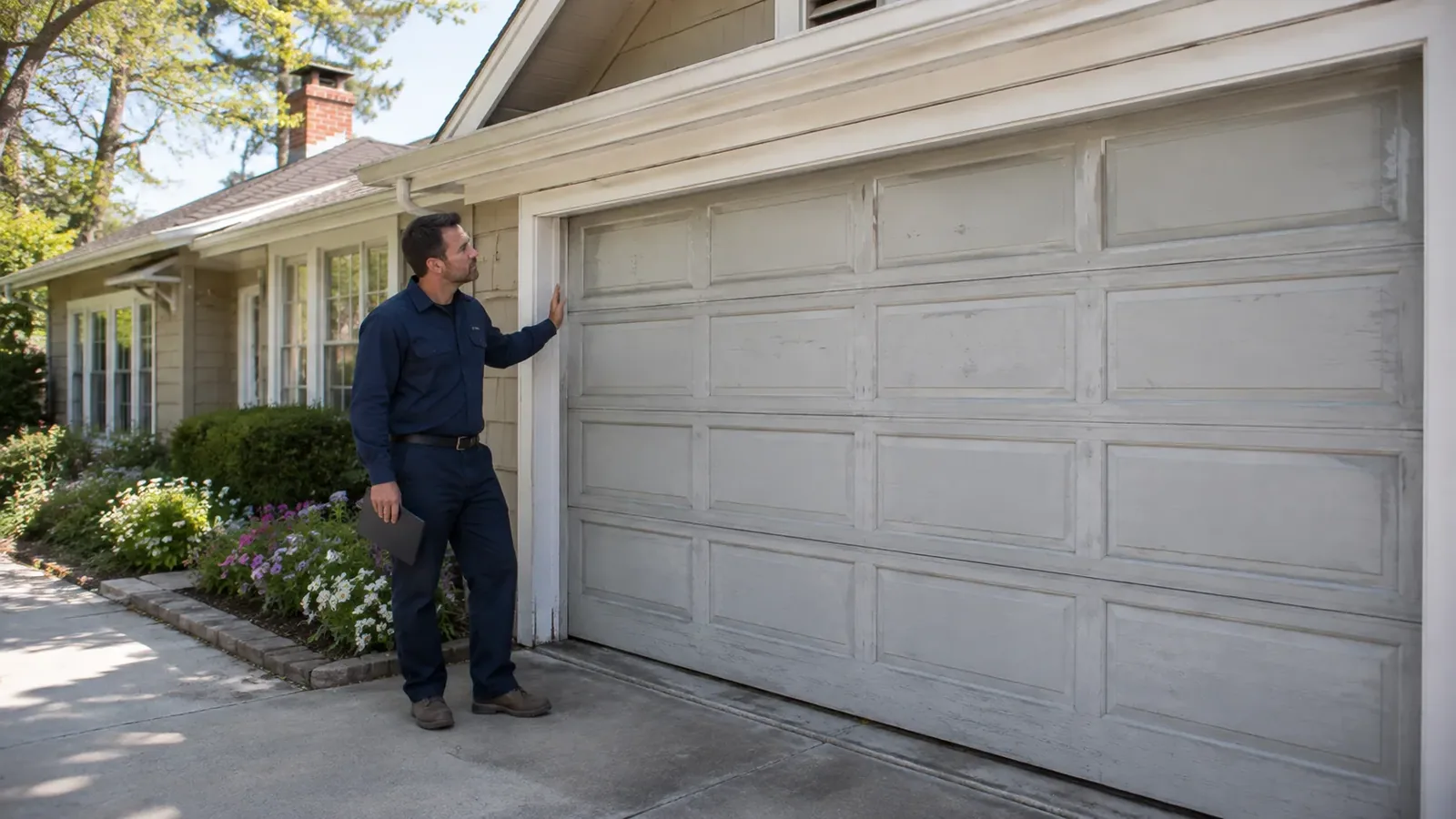
What we find
What to Check
Start with the springs. If the door is original to a house from the 1960s or 70s stock common across this area, the torsion spring has almost certainly outlived its rated cycle count even if it hasn't broken yet - check for gaps in the coil or visible stretching. Next, the track: look for rust at the bottom bends and daylight showing between the track and the roller, which shows up more in this housing era because the mounting hardware wasn't galvanized to today's standard.
Check the bottom panel for rust-through, not just surface rust - surface rust is cosmetic, rust-through means water's been sitting against steel for years. Test the opener's reverse safety if the unit predates the newer sensor requirements; a lot of original openers from that build era were replaced once already but the sensors weren't always updated with them. Last, check the panel seams for daylight or drafts.
If the springs and track are the only issues, the door is almost always worth fixing. If the bottom panel is rusted through and the opener is original, you're often looking at costs that add up close to a new door anyway.
How we work
What Local Conditions Do
Maryland's cold-severe climate band puts this area through more freeze-thaw cycles each winter than a mild-climate market sees, and that shows up first in the moving parts, not the panel. Steel contracts in the cold, which tightens tolerances on tracks and rollers that were already worn from forty-plus years of cycling. Weatherstripping at the bottom of the door hardens and cracks faster here than it would somewhere with a milder winter, which is why a door that seals fine in October can whistle by January.
With a median household income of $110,051 across the service area, plenty of owners could afford a full replacement without much strain, but that's a separate question from whether the door in front of them needs one. Across the roughly 213,102 owner-occupied houses in this service area, a lot of doors from that same building boom are hitting the same wear points in the same cold snap, which is why late winter is when we see the most spring failures. One honest limit: if a panel has rusted through at the bottom corner, no amount of weatherstripping or track work fixes that - at that point you're paying to delay a replacement, not avoid one.
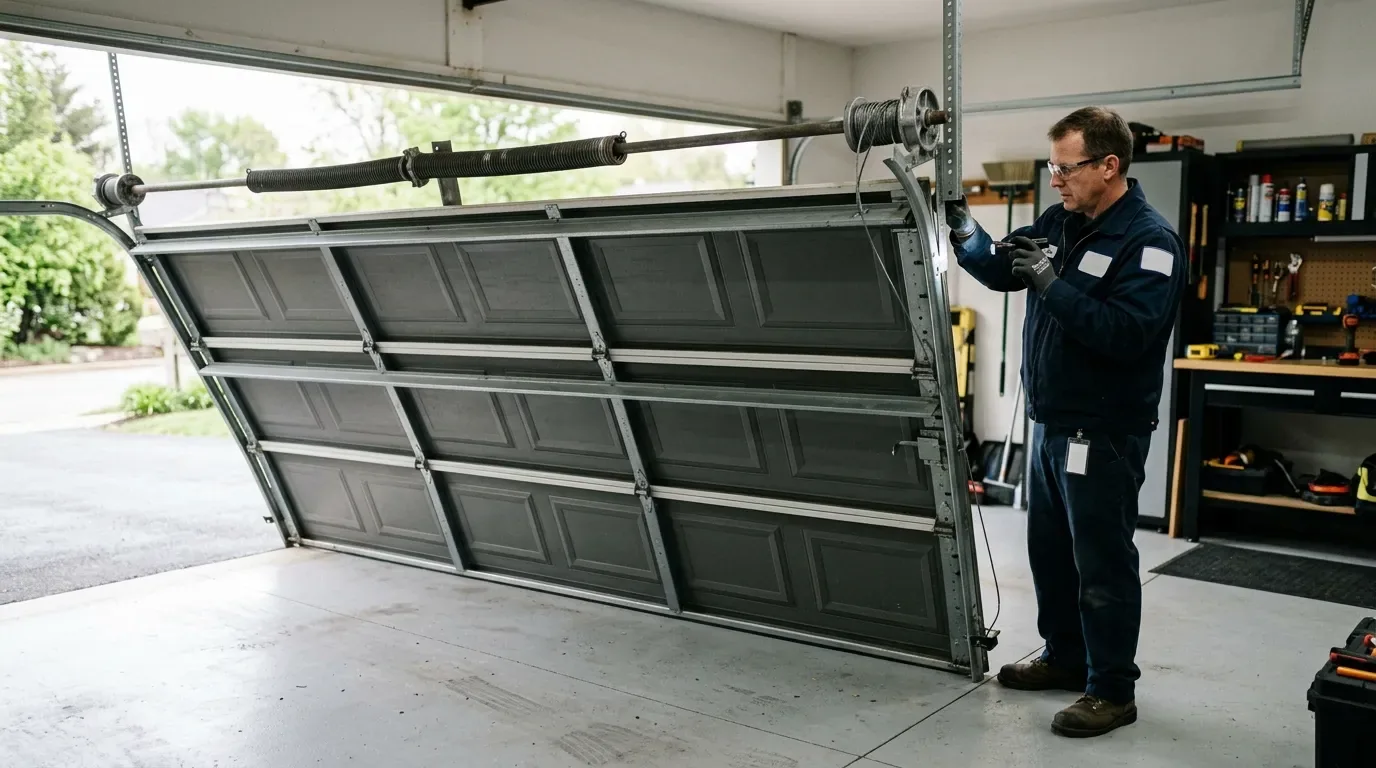
Questions
Common questions
How do I know if my garage door is worth fixing or if I should just replace it?
Check the panel first - surface rust is fine, rust-through at the bottom corners usually isn't worth chasing with repairs. If the panel is sound and the problem is a spring, cable, track, or roller, repair almost always makes sense, especially on a heavier-gauge door from the 1960s-70s building era common in Columbia's original villages.
Why do garage door springs fail more in the winter here?
Cold makes steel contract, which tightens tolerances on parts that are already worn from years of cycling. In a cold-severe climate like this one, that extra stress on an aging torsion spring is often what pushes it past the point of no return, which is why winter is our busiest season for spring calls.
My house is original to one of Columbia's early villages - is my door original too?
It's possible. Houses across this area were mostly built between the late 1960s and mid-1970s, and plenty of original steel panels are still in service today because the hardware around them, not the panel itself, tends to fail first. An inspection is the only way to know for sure.
Is it ever not worth fixing an older door?
Yes - if the bottom panel has rusted through, or the opener and every major hardware component are failing at once, repair costs can stack up close to replacement cost. At that point you're paying to delay the inevitable rather than solve the problem.
Ready when you are
Need a garage door sorted in Columbia?
Columbia Garage Door Pros repairs and installs garage doors, springs and openers in Columbia, MD and the surrounding area.