
Guide
What Actually Happens on a Columbia Garage Door Service Call
See what a Columbia Garage Door Pros service call covers for 1960s-70s homes near Town Center, Oakland Mills, and Owen Brown in Howard County's cold winters.
Local detail
The Common Mistake
The mistake most homeowners make here is treating a service call like it's the same visit you'd book for a house built last year. It isn't. Columbia's housing stock runs from 1948 all the way to 2014, but the median build year sits around 1976, which means a big share of the doors we're called out to see are original or close to it. People call about "a noise" or "it's slow" and expect a five-minute fix, when what's actually sitting in the header is a torsion spring, drum, and track system that's been doing its job since the Nixon or Carter era.
A tech who doesn't check the age of the hardware first is guessing. We don't guess - the first thing on any call is figuring out whether we're looking at 1970s hardware that's simply worn out, or a newer door with a smaller, fixable problem. Skipping that step is how people end up paying for parts that don't match what's actually failing, or worse, get told to replace a door that just needed a spring.
The area
What Is Going On
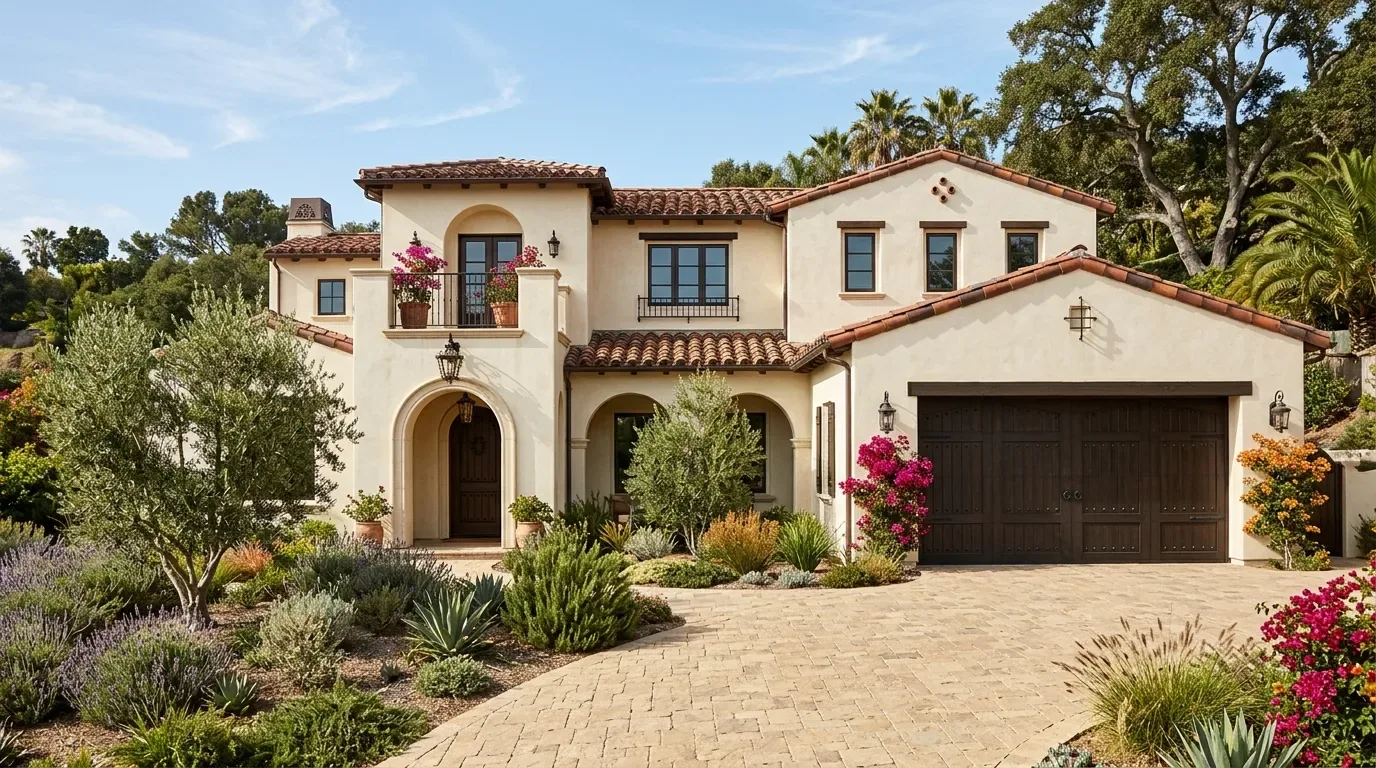
Across the 87 named villages and neighborhoods that make up Columbia - Town Center a mile out, Oakland Mills and Owen Brown right next to it, out to Stoney Run nine miles east - most of the housing is still that same 1960s-70s vintage. That matters because a torsion spring has a duty cycle, and a spring installed in 1974 has been through fifty winters of expansion and contraction. Columbia's climate is classed as cold and severe, so the steel in these systems isn't just aging on a calendar, it's aging through real temperature swings that stiffen lubricant, shrink cables, and change how a door balances on its track.
On a service call, this shows up as doors that reverse partway up, openers that strain and click, or a spring that finally lets go with a bang. It's rarely one thing - it's decades-old steel meeting decades-old grease meeting a winter that's harder on hardware than most people realize.
What we find
What to Check
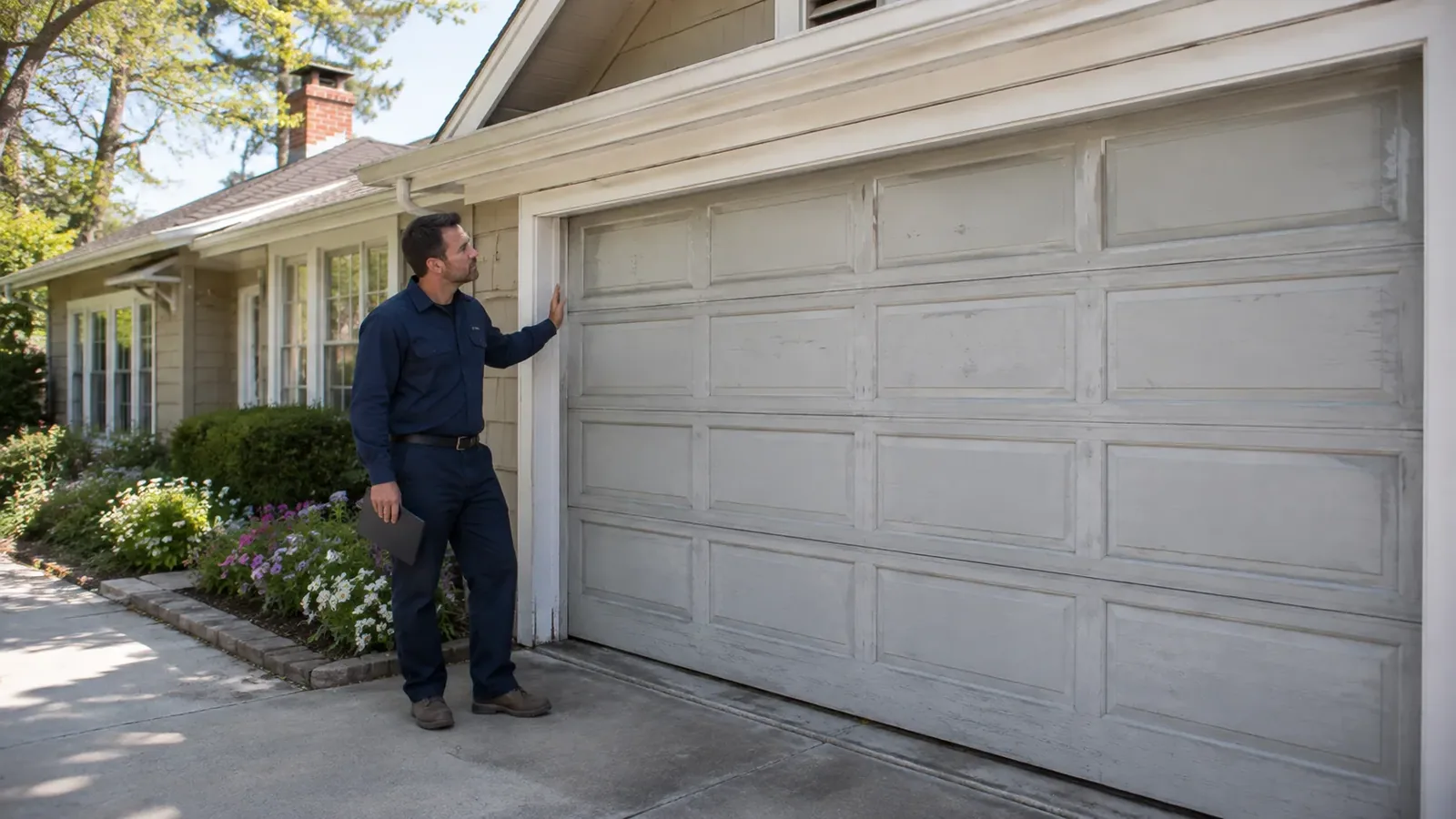
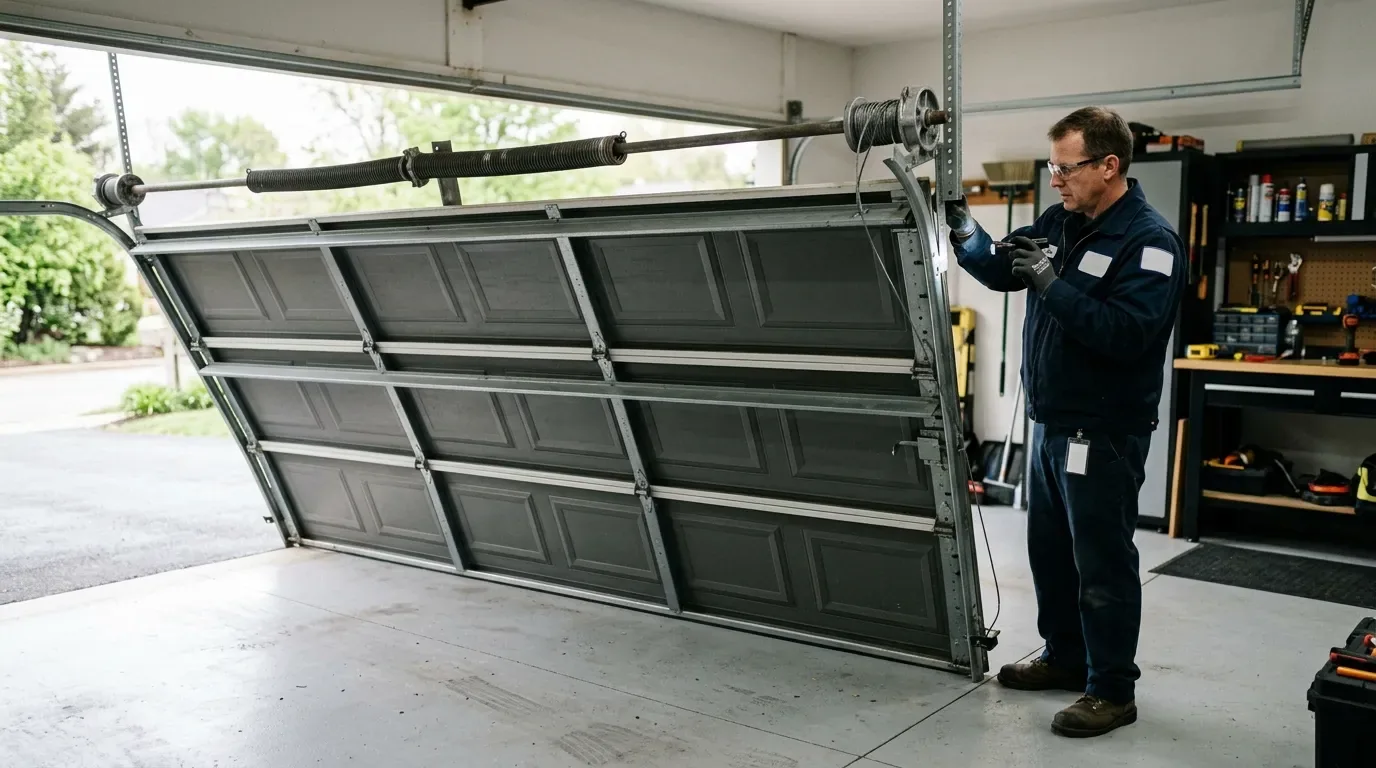
On a real service call, we're checking the spring for rust pitting and stretch, the cables for fraying at the drum, the rollers for flat spots, and the track for bends where the door's been forced. We check whether the opener's force settings still match the door's actual weight, because decades of cable stretch change that balance slowly enough that nobody notices until the day it fails outright. We also check the header and jamb hardware, since houses built through the 1970s often used lighter mounting brackets than what code calls for now.
What we don't do on a standard call is a full teardown of a door that's structurally sound just to sell a replacement - if the spring and cables are the issue, that's what gets fixed. The honest limit here: if the hardware is original from that 1970s wave and multiple parts are failing at once, replacement usually costs less over time than repeated repair calls, and we'll say so instead of stringing out visits.
How we work
What Local Conditions Do
With 213,102 owner-occupied houses across the service area and a median household income of $110,051, a lot of these are owners who've lived through more than one winter with the same original opener and spring. Cold-and-severe climate conditions mean the steel components on an older door go through more freeze-thaw stress each season than a door in a milder zone would see, and that stress adds up faster on hardware that's already forty or fifty years old.
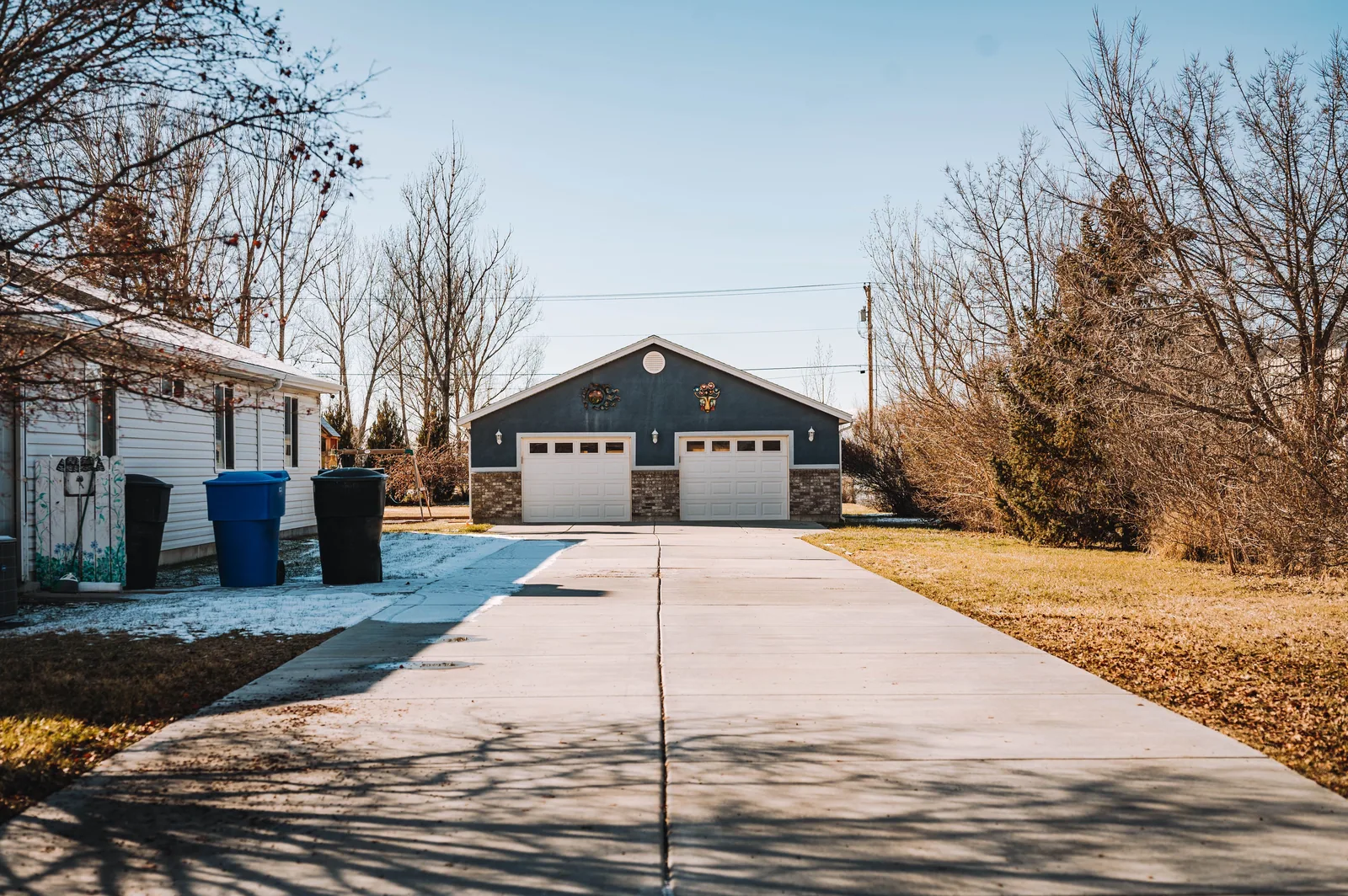
A house in Oakland Mills or Owen Brown, both close to Town Center, is far more likely to still have its original track and drum bolted to the header than a house built in the last decade further out toward River Hill. On a service call, that age gap is often the actual root cause behind the symptom someone called about - not a defect, just steel and cable doing exactly what forty-some cold winters will do to them.
Questions
Common questions
What does a standard service call actually include?
An inspection of the spring, cables, rollers, track, and opener force settings, plus a diagnosis of what's failing and why. If the fix is a spring or cable swap, that's done on the same visit. We don't tear into a structurally sound door just to justify a bigger job.
Why does my original 1970s door need more than a quick fix?
Because the hardware has been through decades of Columbia's cold winters, and steel springs and cables have a duty cycle. Once one part starts failing at that age, others close behind it usually aren't far off, which is why a call sometimes turns into more than expected.
Is it ever better to replace instead of repair?
Yes - if the door and hardware are from that original 1948-1976 building wave and several parts are failing together, repair costs stack up fast. We'll tell you straight when replacement is the cheaper path over time instead of running repeat service calls.
Does the cold weather really affect the spring that much?
Yes. Cold-and-severe winter conditions stiffen lubricant and shrink steel cable slightly, which changes door balance and adds strain to a spring that's already decades old. It's a slow effect, but on older Columbia homes it's usually part of why the spring finally lets go.
Ready when you are
Need a garage door sorted in Columbia?
Columbia Garage Door Pros repairs and installs garage doors, springs and openers in Columbia, MD and the surrounding area.