
Guide
Wind and Your Wide Garage Door: The Columbia Version
Columbia's double garage doors sit on hardware built for 1960s-70s homes. Here's why wind exploits that age gap and what to check before it fails.
Local detail
The Common Mistake
Most people treat a wide double door like a bigger version of a single door. It isn't. A 16-foot section catches roughly twice the wind load of an 8-foot one, and the hardware holding it has to work twice as hard to resist that push and pull. In Columbia's older villages - places like Oakland Mills, Wilde Lake, and Harper's Choice, where houses date back to the 1960s and 70s - that hardware is often original or close to it.
Homeowners assume a door that's held up fine for decades will keep holding, right up until a gust catches it wrong and a track pulls loose from the jamb. The mistake isn't ignoring the door. It's assuming age and width are separate problems when they're the same problem.
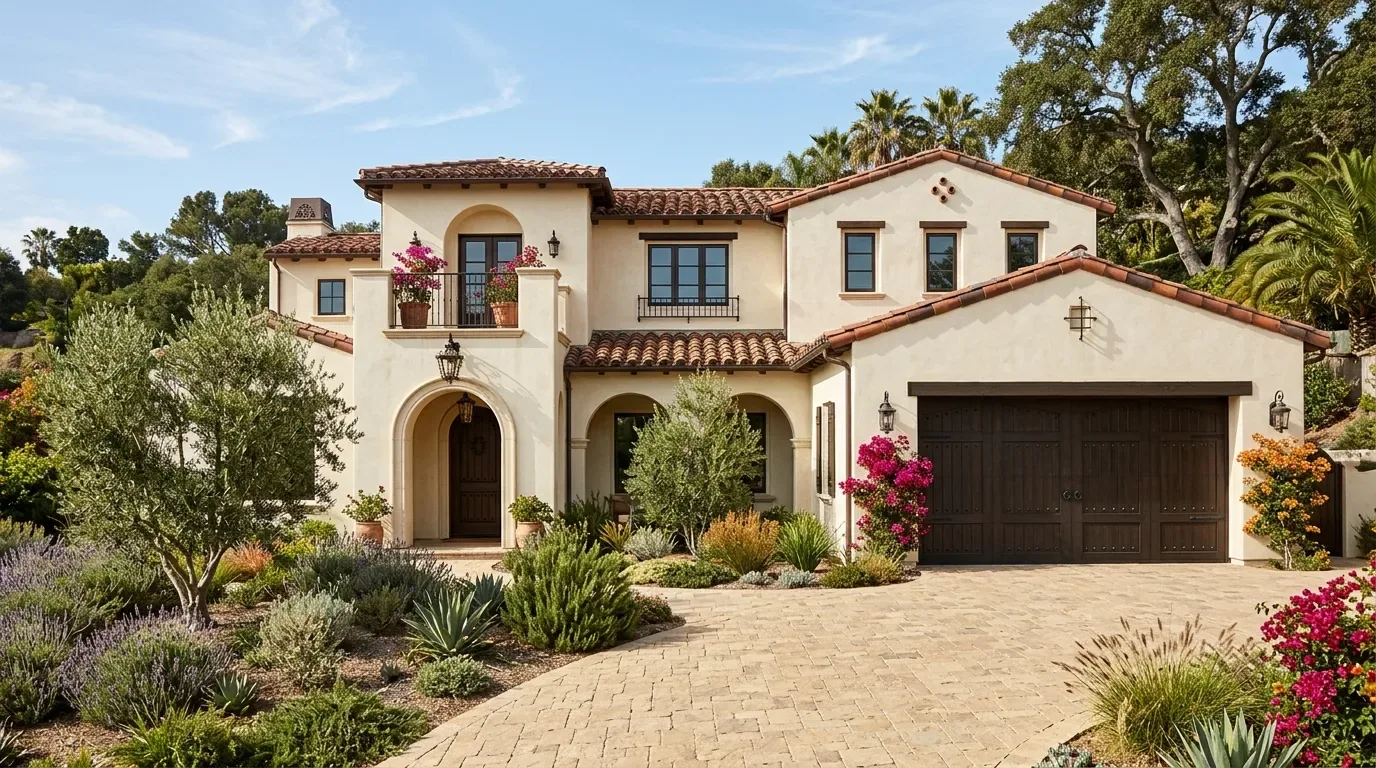
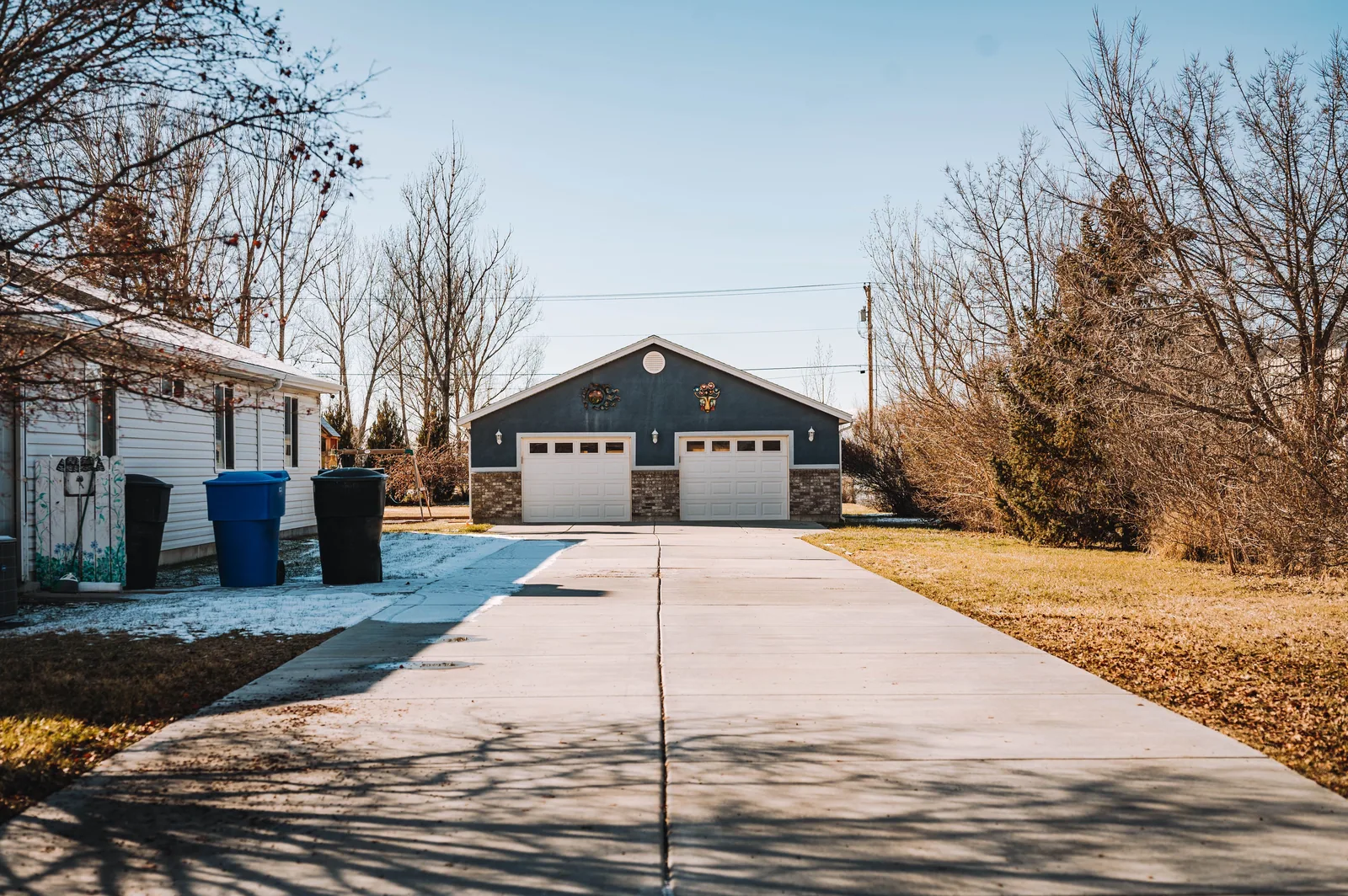
The area
What Is Going On
Housing across Columbia spans 1948 to 2014, with a median build year of 1976, and the bulk of it - across all 87 named villages and neighborhoods in this area - went up in that 1960s-70s wave. Doors and track systems from that era weren't engineered with the wind-load bracing that's standard on double doors built today. A wide door flexes under lateral pressure more than a narrow one, and on a track system that's 40-50 years old, that flex finds the weak point: a bent track rail, a loosened roller bracket, a strut that was never added because it wasn't code when the house was built.
This isn't a defect. It's a mismatch between a door width and a hardware generation that predates modern wind bracing.
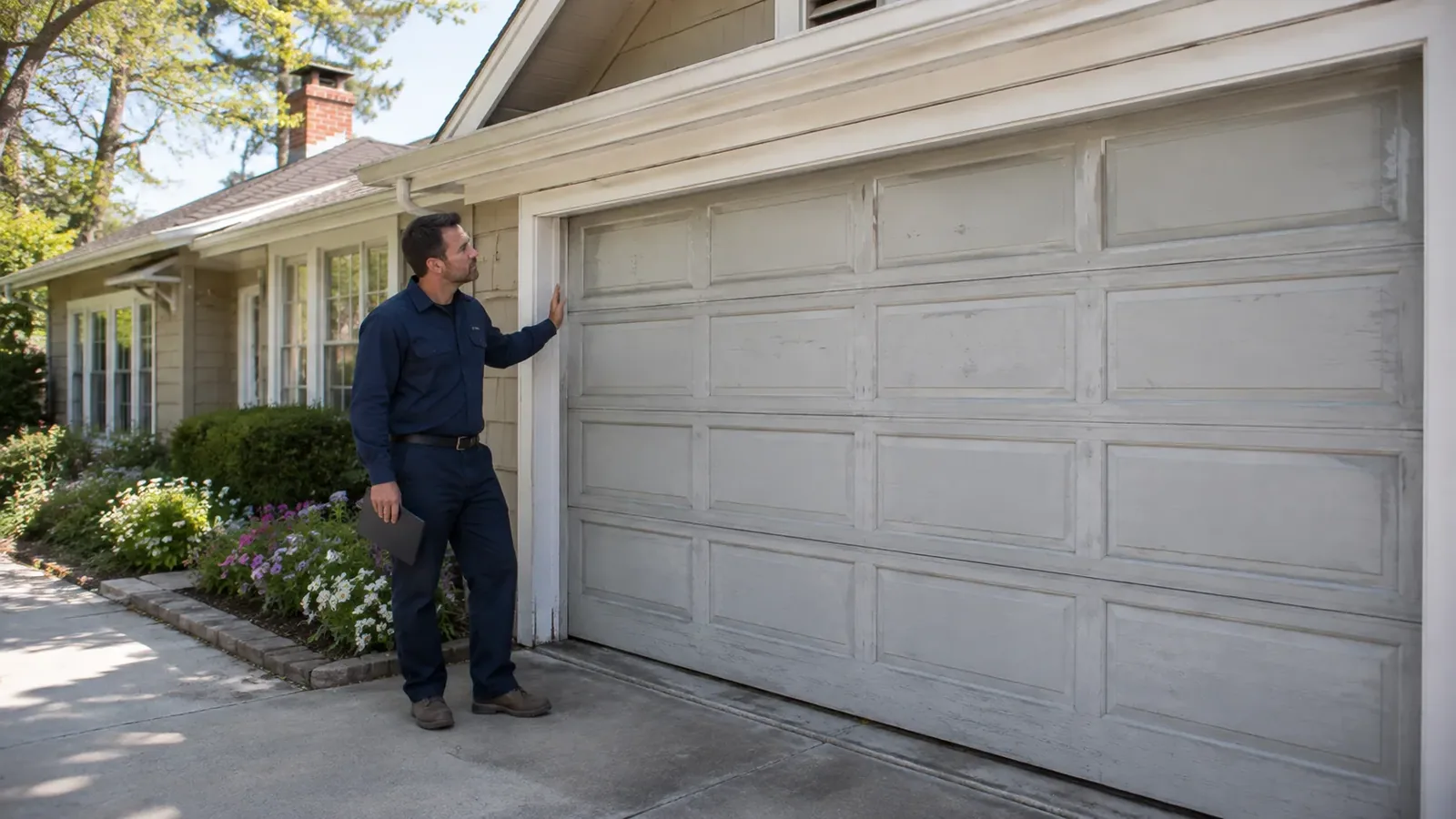
What we find
What to Check
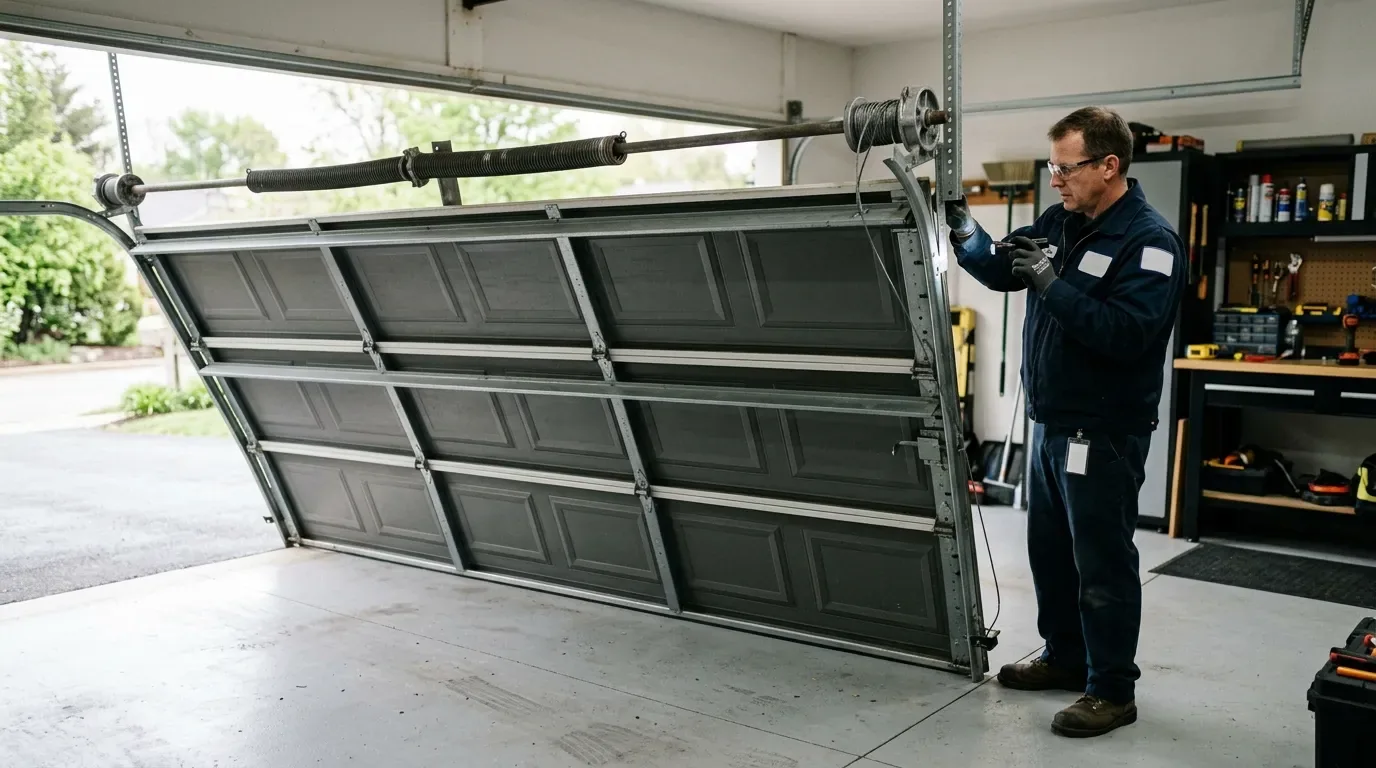
Start with the horizontal struts on the back of the door - if your double door doesn't have at least one running the width of each panel, it has no reinforcement against wind pushing it in or out. Next, look at the track brackets where they bolt to the framing. On 1960s-70s construction, those are often lag-bolted into jamb wood that's dried out over the decades, and that fastening loosens before the track itself ever bends.
Check for daylight or play at the top roller when the door is closed. Last, look at the bottom corner brackets on each side; on a wide door these take more torque than people expect, and a cracked or elongated bolt hole there is the first sign a gust already put more stress on the door than it was built for.
How we work
What Local Conditions Do
Columbia sits in a cold, severe climate band, which means the same hardware that's fighting wind load is also cycling through hard freezes every winter. Cold metal is more brittle metal - a track bracket that would bend under wind stress in July can crack under the same stress in January.
That combination is worse for wide doors than narrow ones, because there's more door surface for the wind to grab and more linear track for the cold to stiffen. We can't tell you your specific wind exposure without seeing the house and its orientation, but we can tell you that a 16-foot door on original 1970s-era track, in this climate, is carrying more risk than the same door on a house built in the last fifteen years with factory-added struts.
Questions
Common questions
Is my double garage door at more risk than a single door in a storm?
Yes, physically. A wide door has more surface area for wind to push against and a longer track run, so any weakness in the hardware gets more leverage against it. This matters more in Columbia's older villages, where a lot of the double-door track systems date to the original 1960s-70s construction and don't have the strut reinforcement newer doors come with.
Do I need to add a strut to my old double door?
If you can look at the back of the door and don't see a horizontal bar running the width of each panel, it doesn't have one, and adding one is a straightforward reinforcement against wind flex. We'd want to look at the door in person before recommending a specific fix, since panel material and track condition affect what's worth doing.
Why does cold weather make this worse?
Columbia's climate band is classified cold and severe, and metal hardware gets more brittle as temperatures drop. A bracket or track section that would simply bend under wind stress in warm weather is more likely to crack outright in a hard freeze, which is when a marginal wide door is most likely to actually fail.
Ready when you are
Need a garage door sorted in Columbia?
Columbia Garage Door Pros repairs and installs garage doors, springs and openers in Columbia, MD and the surrounding area.