
Milford Mill, Columbia MD
Garage Door Help for Milford Mill Homes
Serving Milford Mill from our Columbia location, 11 miles out. We know the 1970s door hardware common here and what cold winters do to it.

Local detail
When We Can Get There
Milford Mill sits about 11 miles from our shop in Columbia, so we build travel time into every quote before we head out. We don't run a depot in Milford Mill and we won't tell you we do - every job here starts with a drive. That means we can't promise a same-day slot the way a company parked five minutes away might.
What we can do is give you a real window when you call, and we stick to it once it's set. If your spring lets go on a Tuesday morning, ask us straight what the soonest opening looks like instead of assuming it's automatic. Distance is a fact we plan around, not one we hide, and it's part of why we ask a few questions on the phone before dispatching a truck - better to bring the right torsion spring and end plates the first trip than to guess and come back.
For routine maintenance or a scheduled opener swap, the 11-mile run is a non-issue. For a door that's trapped a car in the garage at 6 a.m., it's worth knowing upfront.','placeholder
The area
What the Housing Means for Your Door
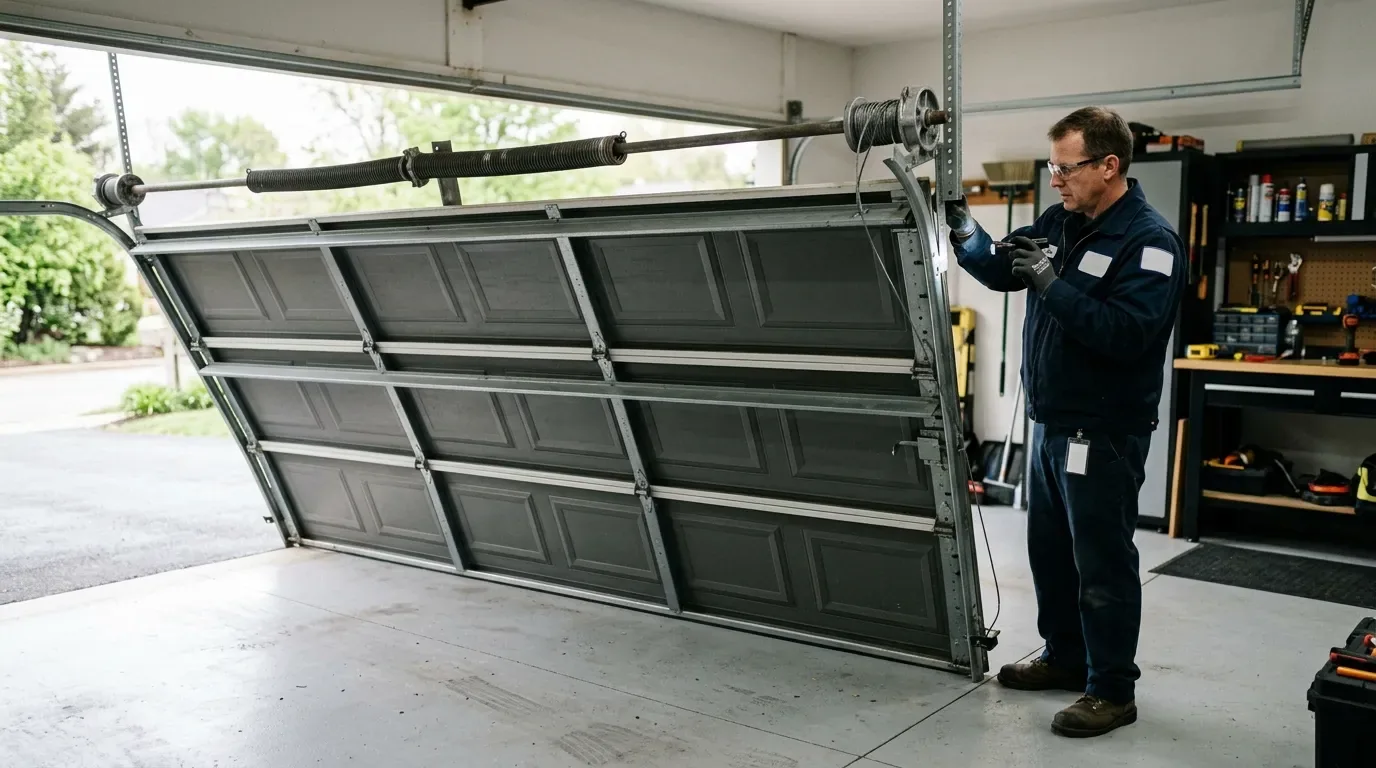
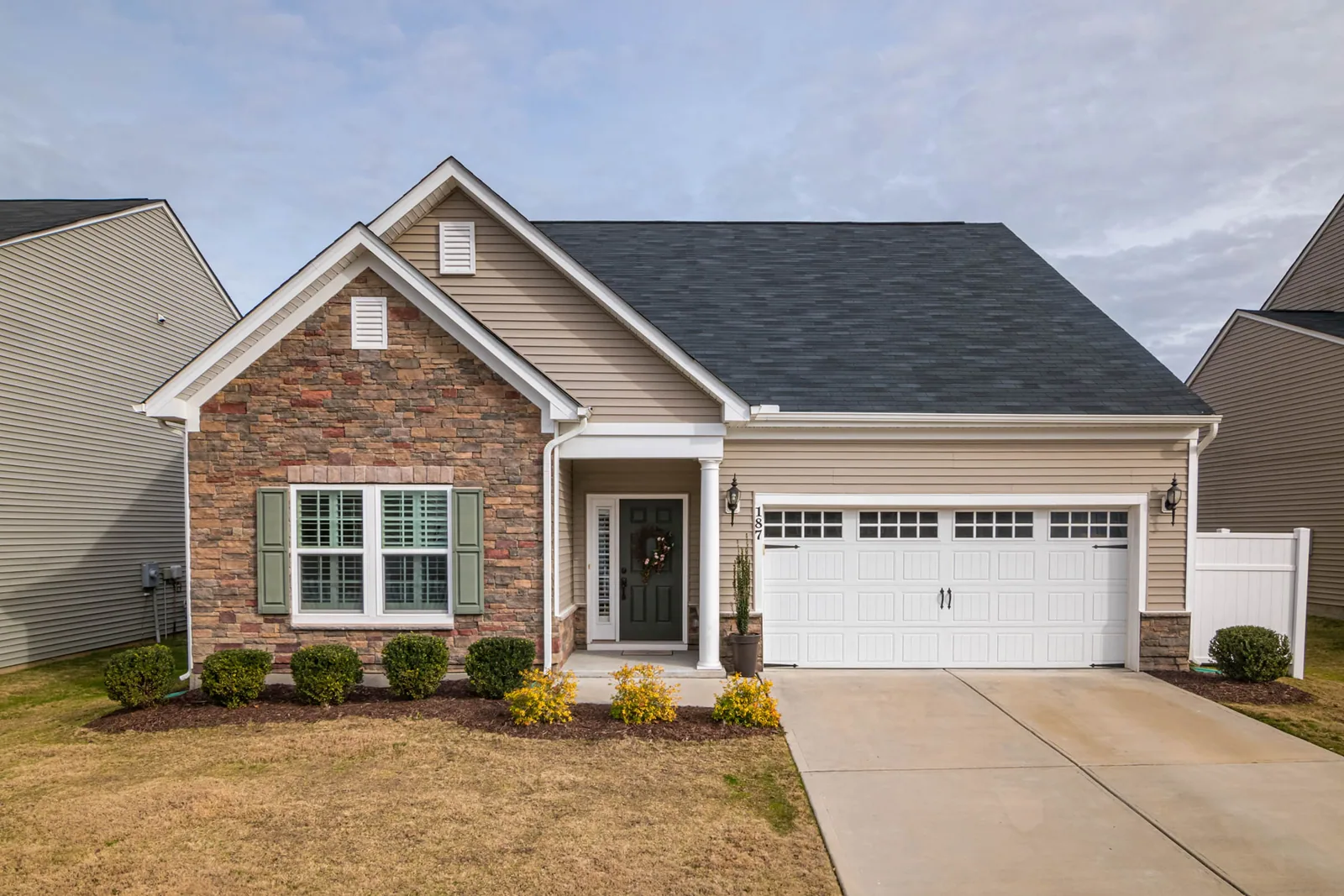
The typical house in Milford Mill dates to around 1977, which puts it squarely in the era when extension springs on the side of the track were still common before torsion conversions became the default. If your door hasn't been touched since it was installed, there's a decent chance you're running original hardware - steel panels, lighter-gauge tracks, and springs rated for a service life that's long since passed. That doesn't mean it needs replacing tomorrow, but it does mean the parts and the failure points are different from what you'd find on a house built in the 2000s.
Extension spring setups fail differently than torsion bars do, usually with a loud bang and a door that won't budge, rather than a slow drift. We carry stock for both systems, but a same-day fix on an older extension setup sometimes means adapting what we have rather than an exact factory match - original brackets from 1977 aren't something anyone still manufactures. If your opener is original too, expect a chain-drive unit with a manual reverse mechanism instead of the safety sensors required on newer installs.
What we find
The Calls We Get From Here
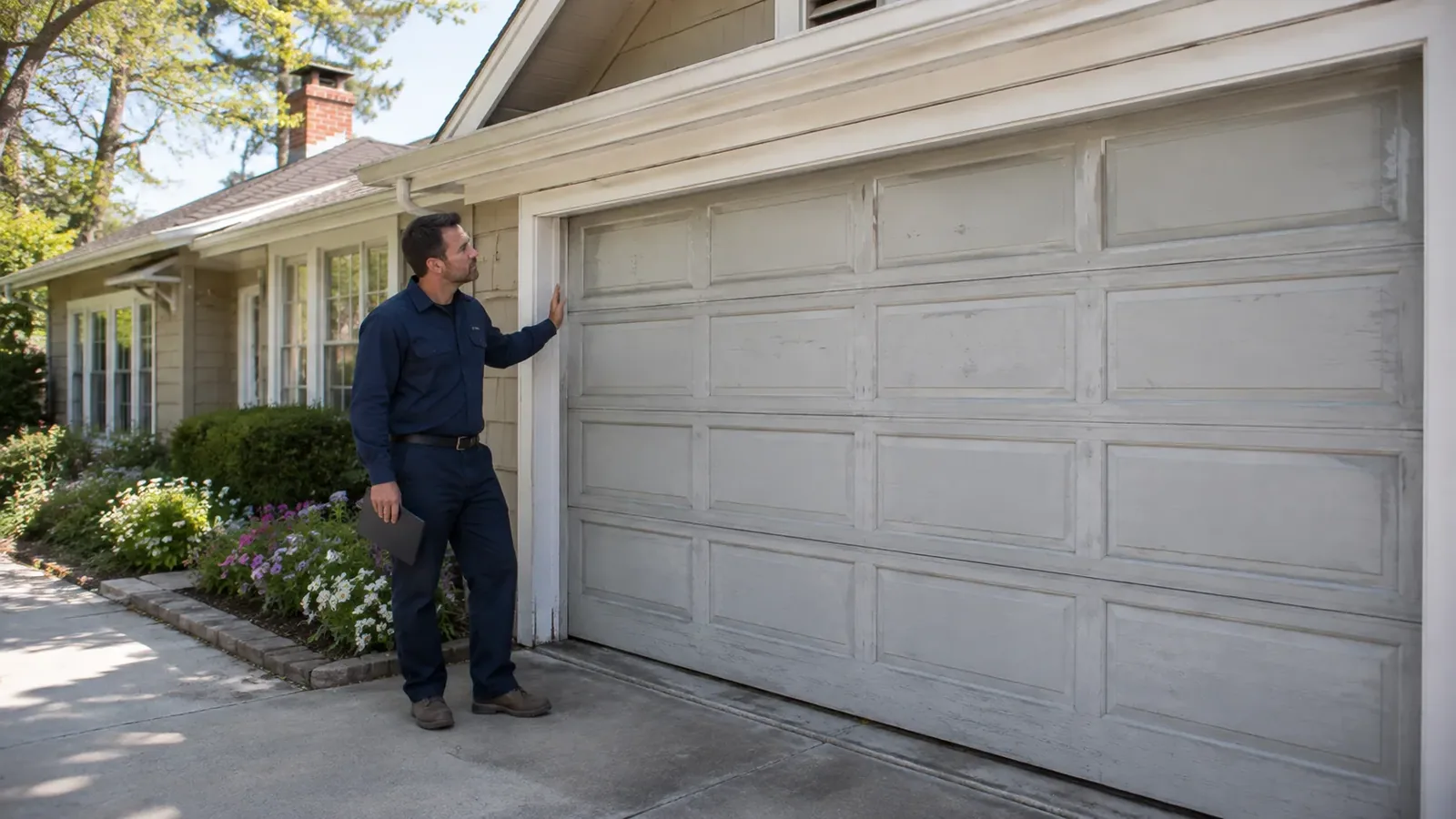
Milford Mill falls in the same cold-severe climate band as the rest of our coverage area, and that shows up in the calls: steel torsion springs losing tension faster in a hard freeze, nylon rollers going brittle and cracking, and openers straining on doors that have swollen slightly in cold, damp conditions. With median household income here at $76,676 - well under the $110,051 median across our wider service area - we see more requests for a targeted repair than a full door replacement, and we don't push people toward a new door when a spring, a roller set, or a cracked panel is the actual problem.
That's the honest limitation worth stating: if your door is original to a 1977 build and the track is bent along with a broken spring, sometimes replacement really is the better call financially, and we'll tell you that instead of patching around it. Winter mornings are our busiest stretch for spring failures, since cold steel is less forgiving under the same daily stress a warm spring shrugs off.
How we work
What Was Built Here
Milford Mill's roughly 11,881 households sit inside a much larger stretch of housing across our service area built between 1948 and 2014, with most of it - including Milford Mill - landing in that 1960s-to-70s wave that defined the region's garage door stock. That era means steel and early aluminum panel doors, torsion or extension spring setups depending on the exact build year, and openers that have often been replaced once or twice already even if the door hasn't. It's a housing pattern shared with the areas we cover nearby, but Milford Mill's own median build year of 1977 puts it slightly later than some, which sometimes means torsion hardware where an older neighborhood would still have extension springs.
Knowing the build year before we arrive lets us bring the right spring size and end bearing plates instead of showing up and hoping. We don't guess at hardware generation over the phone - we ask the age of the house and, if you know it, whether the door has ever been replaced, because that one detail changes what's in the truck.
 96 areas covered
Service areas
Other areas we cover near Milford Mill
Questions
Common questions
Do you have a location in Milford Mill?
No. We work out of Columbia, about 11 miles away, and travel to Milford Mill for calls. We factor that drive into scheduling rather than promising an instant arrival, and we'll give you a real time window when you call rather than guess.
My house was built in the late 1970s - will parts for my door still be available?
Usually yes for the spring and roller components, since those are standard sizes even on older doors. Original brackets or the exact factory panel match from 1977 are harder - those aren't made anymore, so a repair sometimes means a close match rather than identical replacement.
Why do springs seem to break more in winter here?
Milford Mill sits in a cold-severe climate band, and steel torsion springs lose flexibility in hard freezes. A spring that's been slowly wearing down all year is more likely to snap on a cold morning than a mild one, since cold steel takes more stress with less give.
Is it worth repairing an original 1970s door instead of replacing it?
Often yes, if the track and frame are still straight - a spring or roller job is far cheaper than a new door. But if the track is bent along with a broken spring, replacement can be the more sensible option, and we'll say so instead of billing for a patch job that won't hold.
Ready when you are
Need a garage door sorted in Columbia?
Columbia Garage Door Pros repairs and installs garage doors, springs and openers in Columbia, MD and the surrounding area.