
Gambrills, Columbia MD
Garage Door Service for Gambrills Homes
Serving Gambrills from Columbia, about 13 miles out. Newer 1980s housing here means different spring and opener issues than the older stock closer in.
Local detail
When We Can Get There
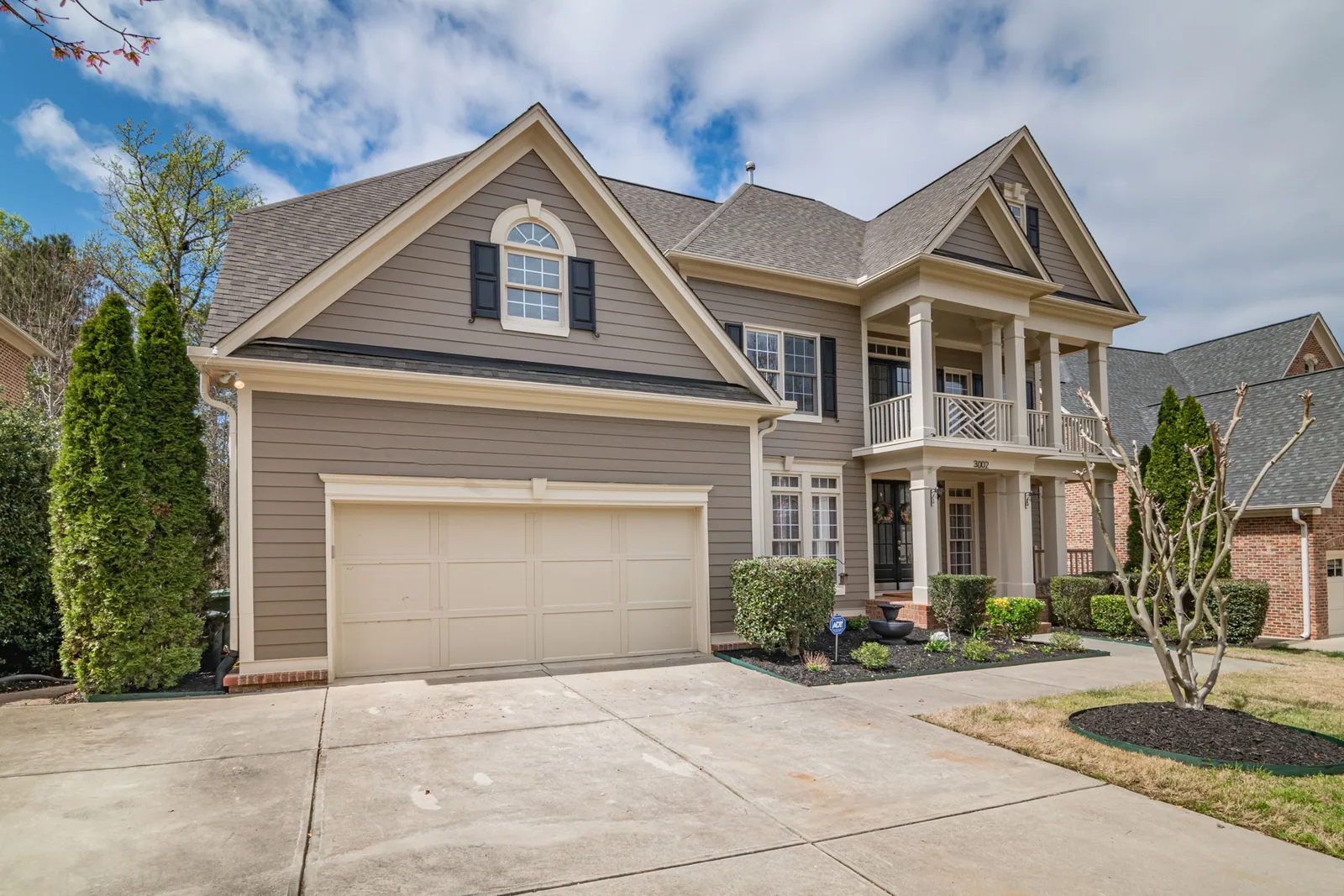
Gambrills sits about 13 miles from our shop in Columbia, on the outer edge of where our trucks run. We don't keep a second location here and we're not going to pretend otherwise. When a call comes in from this area, it's a dispatched job, not a drive-by from a depot around the corner.
What that means in practice: we don't promise a same-hour arrival for Gambrills the way we might closer to home. If your spring snaps on a Tuesday morning, tell us up front and we'll give you a real window based on where the truck already is that day, not a number pulled out of thin air. Being straight about the distance now beats a homeowner standing in a cold driveway wondering why the truck isn't there yet.
We still take the job. We just ask that you plan around actual drive time instead of a fantasy of instant service. If timing matters - a wedding, a move, a home sale closing - say so when you call, and we'll work the route around it.
The area
What the Housing Means for Your Door
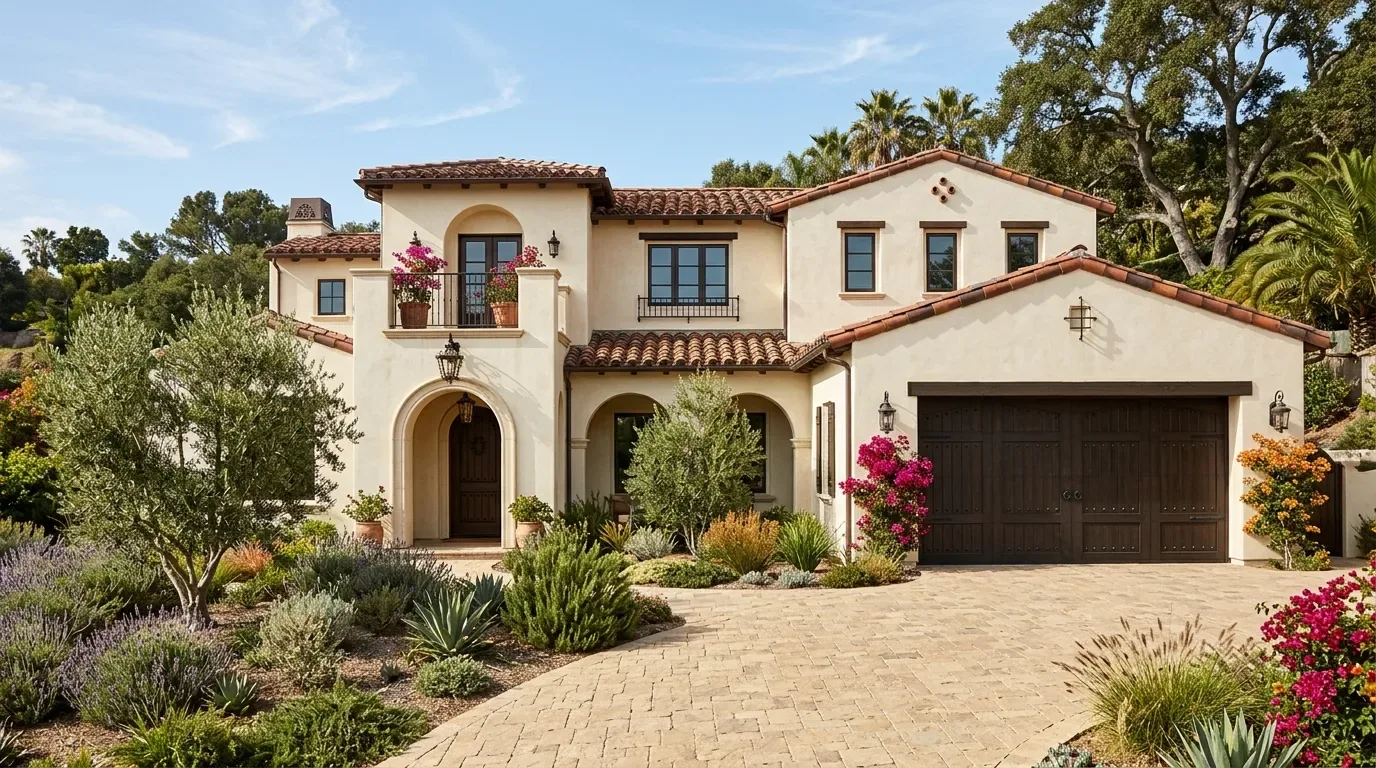
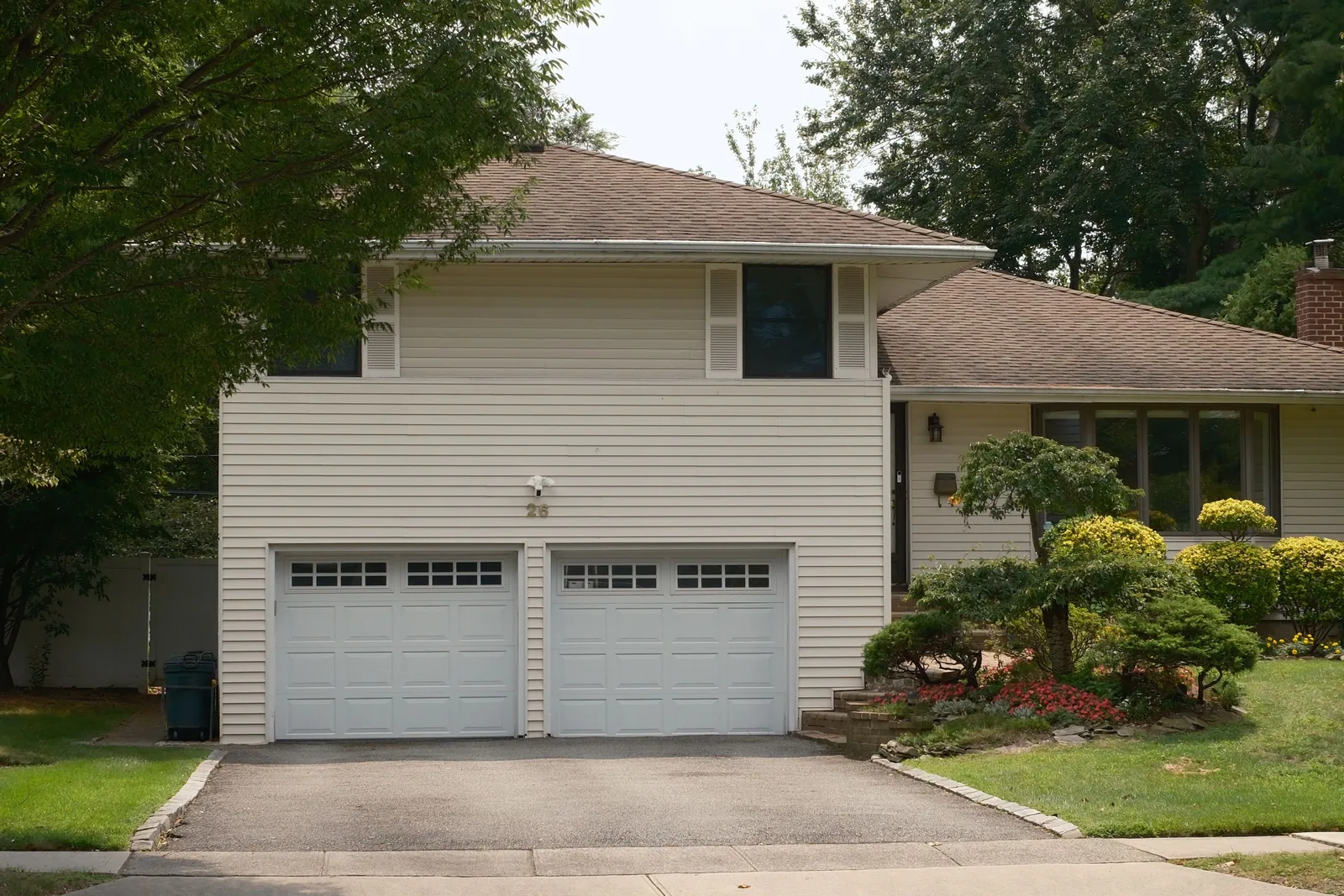
Across the wider service area, the median house went up around 1976, and a lot of that stock still runs original side-mounted torsion hardware nobody stocks anymore. Gambrills is different. Houses here trend newer, closer to a median build year of 1985, which puts most garage doors on standard center-mounted torsion springs and steel sectional panels rather than the older one-piece slab doors.
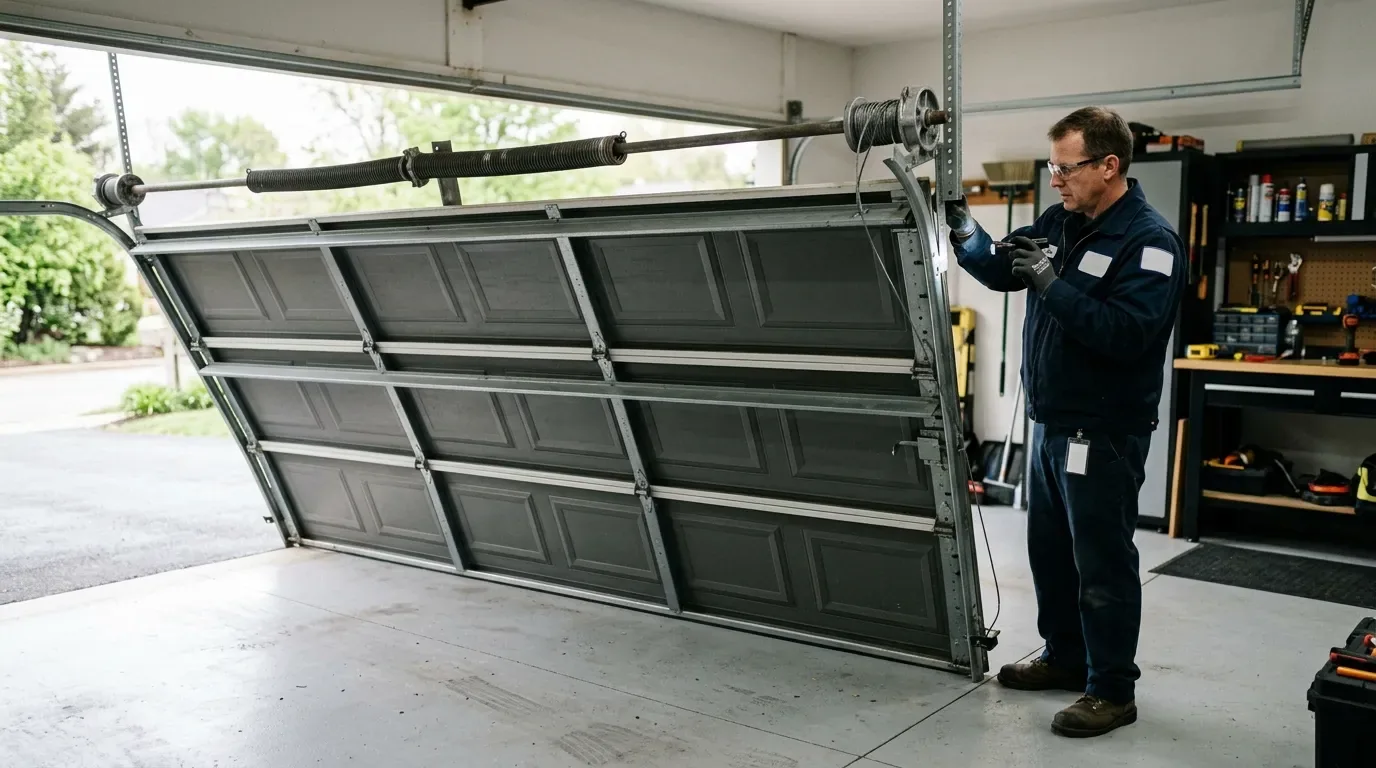
That's the good news: parts for a 1985-and-later door are far easier to source, and the springs, cables, and rollers are common sizes any supplier carries. The failure points here tend to run on wear rather than obsolescence. A torsion spring rated for around 10,000 cycles starts giving out somewhere in year 15 to 25 depending on use, and by the late 1980s and 1990s installs, that clock has already run out for a lot of these doors.
Openers from that era are the other weak point - chain-drive units with aging circuit boards that were never built to survive a Maryland winter in an unheated garage. If your opener is original to a mid-80s build, it's a candidate for replacement before it's a candidate for repair.
What we find
The Calls We Get From Here
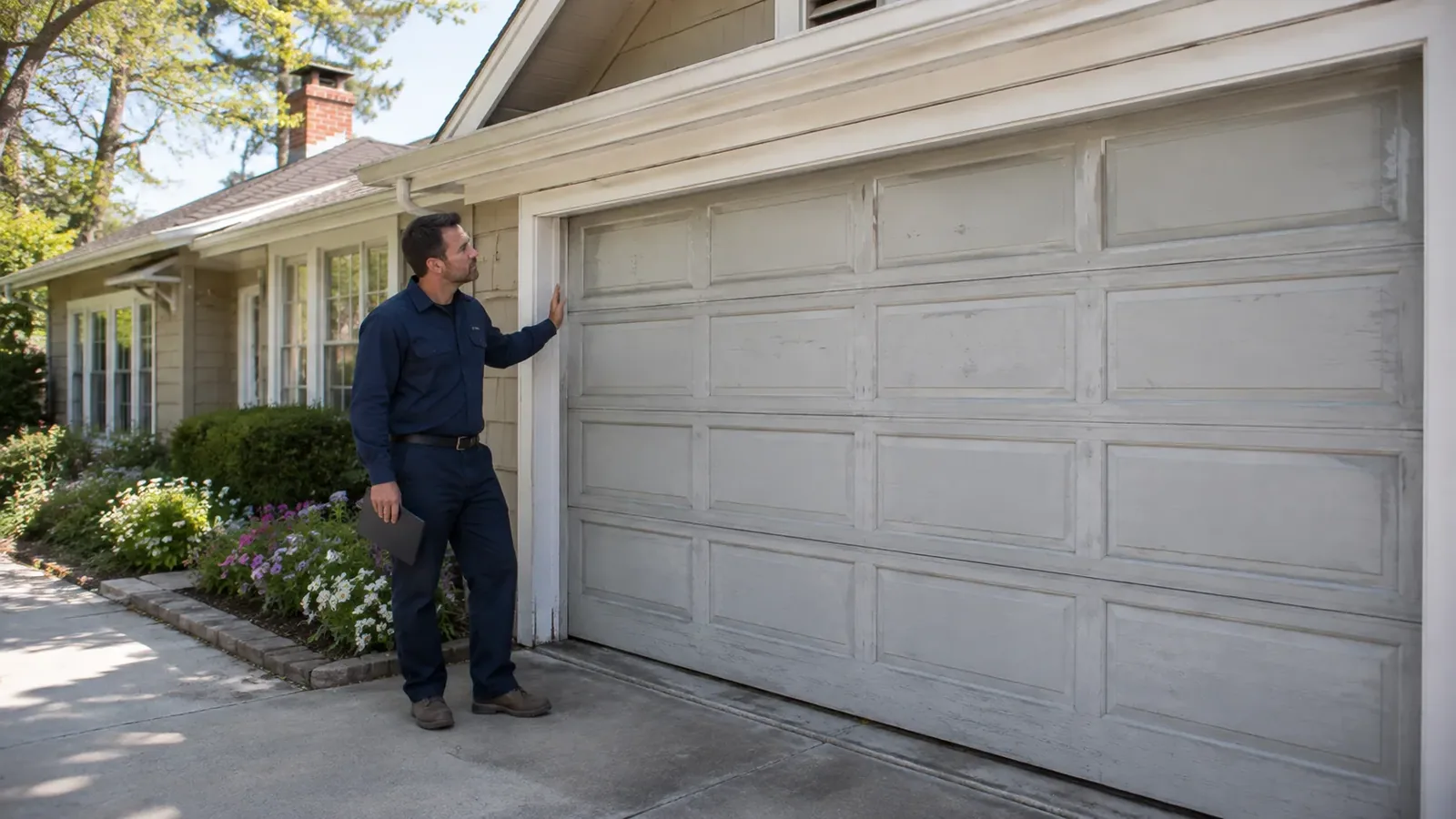
Given the age of construction typical in this pocket, most calls we field are wear-and-tear, not code-era mismatches. Broken torsion springs top the list - the coil finally lets go, usually first thing in the morning when the door's been sitting cold overnight. Cold matters here: this area sits in a climate zone with severe winter conditions, and steel contracts, lubricant thickens, and springs under tension take the extra strain hardest on the coldest mornings.
Second most common: opener failure, particularly on units original to the house. Circuit boards don't like decades of temperature swings, and a garage that isn't insulated sees the full range.
Third: worn rollers and bent track, usually from a door that's been fine for years and then starts binding or making noise. That one's honest work - we're not going to sell you a new door when a track adjustment and a set of rollers solves it.
What we don't do here: same-day exotic parts for uncommon opener brands. If your opener needs a specialty board we don't carry on the truck, that's an order-and-return-trip job, and we'll tell you that on the first visit, not after we've already been paid.
How we work
What Was Built Here
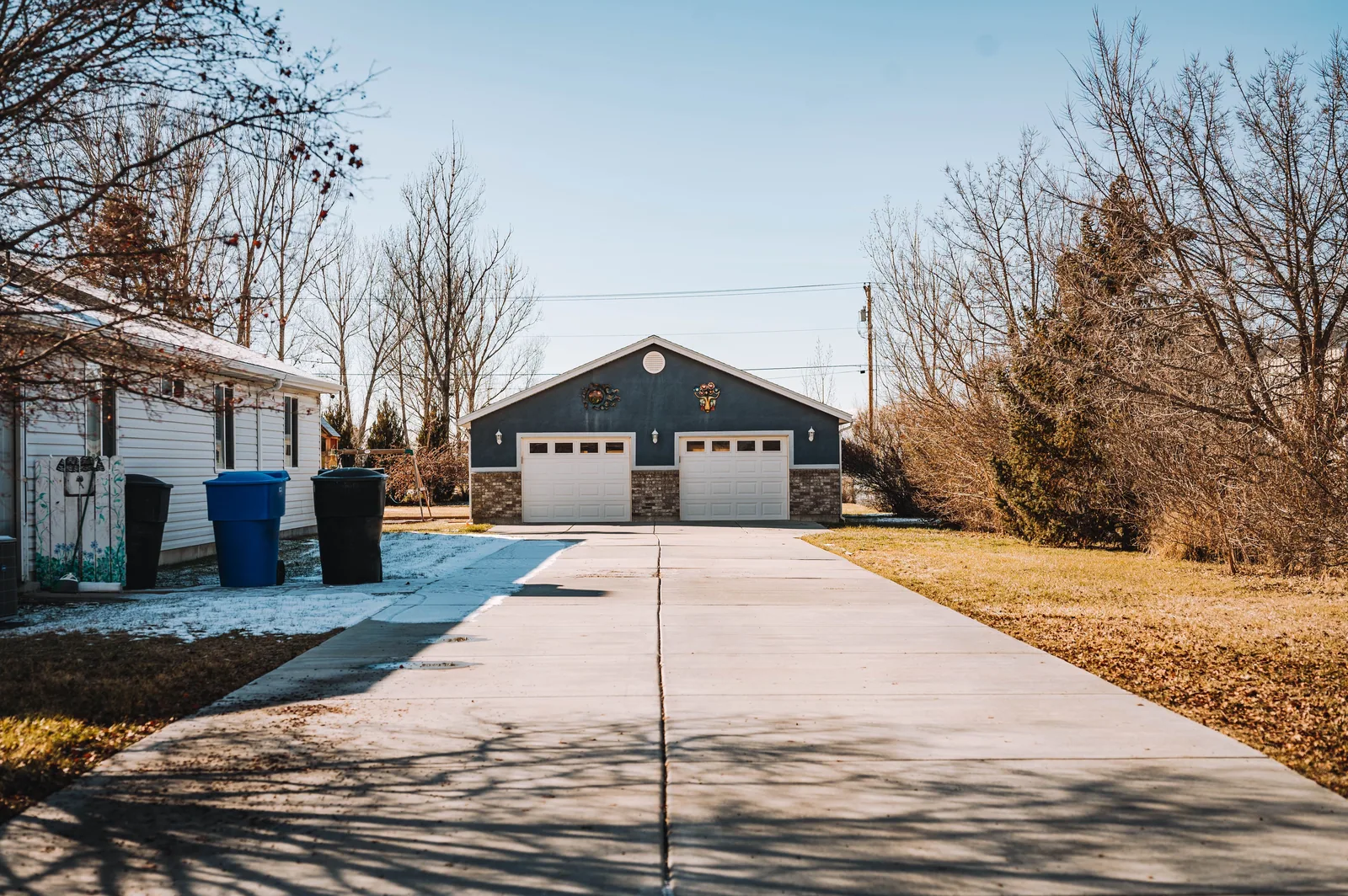
This is a small, newer pocket relative to the rest of the territory - roughly 948 households, built mostly after the older 1960s-70s wave that defines a lot of the surrounding area. Median household income here runs $151,667, well above the $110,051 average across the wider service area, and it shows in the housing: larger garages, two-car and sometimes three-car doors, and openers that were mid-range or better when installed rather than the builder-grade minimum.
The climate doesn't change by zip code, though. This area sits in the same cold, severe winter band as the rest of the region, and that's the constant across every build year - ice on the bottom seal, condensation freezing the track, springs working harder in January than July.
So the story here isn't old houses fighting old hardware. It's newer doors reaching the age where original parts start failing on schedule, on a household base big enough to keep that pattern showing up, but small enough that it's never going to look like the older, denser sections of the territory.
 96 areas covered
Service areas
Other areas we cover near Gambrills
Questions
Common questions
Do you have a location in Gambrills?
No. We run out of Columbia, about 13 miles away, and dispatch trucks out to Gambrills as calls come in. We're upfront about that distance when you call so you can plan around real drive time instead of an assumed instant response.
Why did my garage door spring break when the house is only from the 1980s?
Torsion springs are rated for a set number of open-close cycles, usually around 10,000. On a daily-use door installed in the mid-80s, that number gets reached somewhere between 15 and 25 years in, sooner if the door sees heavy use or sits in an unheated garage through cold winters.
Can you fix an opener that's original to the house?
Sometimes, if it's a common brand and the fault is mechanical. Circuit board failures on decades-old units are often a replace situation, since boards for discontinued models can be hard to source and cost more than a new opener.
Will cold weather make my door worse?
This area sits in a climate zone with severe winter conditions, and steel doors, torsion springs, and cables all get stiffer and work harder in the cold. If a spring is already close to failing, a cold morning is often when it finally lets go.
Ready when you are
Need a garage door sorted in Columbia?
Columbia Garage Door Pros repairs and installs garage doors, springs and openers in Columbia, MD and the surrounding area.