
Columbia, MD
Garage Door Opener Installation for Columbia Homes
Columbia's 1960s-70s houses often still run original chain-drive openers. We swap them for cold-rated belt or jackshaft units built for this housing stock.
Local causes
Why It Happens Here
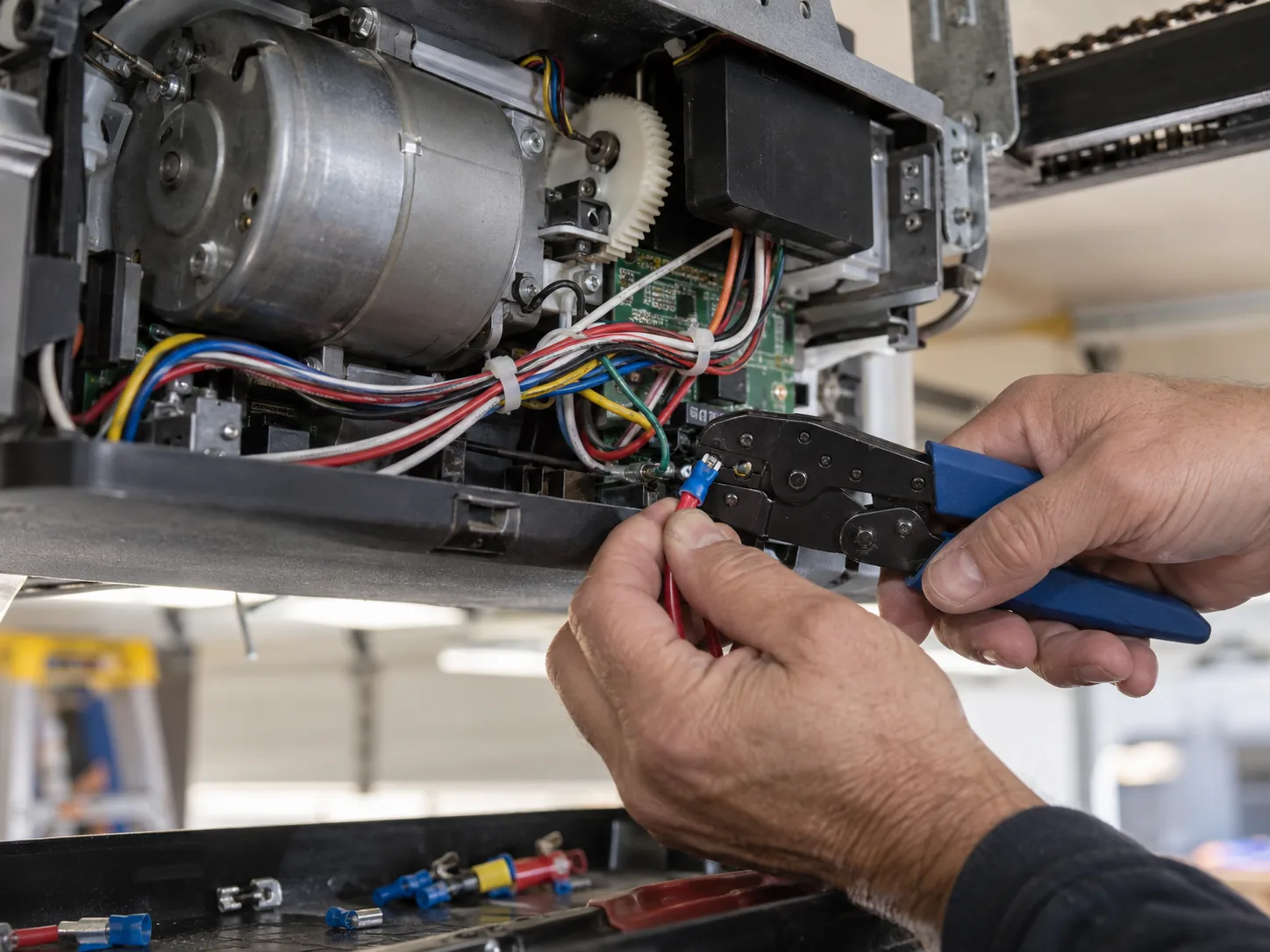
Columbia's housing stock runs from 1948 through 2014, with a median build year of 1976, and most of the villages - Wilde Lake, Harper's Choice, Long Reach, Owen Brown - were built out in that same 1960s-70s wave. Builders in that era hung a single half-horsepower chain-drive opener on the header and called it done. Fifty years later, that same unit is still running on most of these garages, just with a replaced motor or two along the way. The drive gear wears out, the logic board can't take a modern remote, and the whole unit sags on brackets that were never sized for a heavier insulated door.
Columbia sits in a cold-severe climate band, and that matters more for openers than people expect. Cold contracts the grease in the gearbox, stiffens the belt or chain, and makes the travel limits drift - which is why a lot of "my opener is broken" calls in January turn out to be an opener that's just old and cold, not dead. Add in newer, heavier insulated doors that some owners have installed on top of an opener sized for the original lightweight panel, and you've got a motor working harder than it was built for. That combination - old motor, cold garage, heavier door - is the pattern we see across this service area, not something specific to one street or one village.
The repair
What the Fix Involves
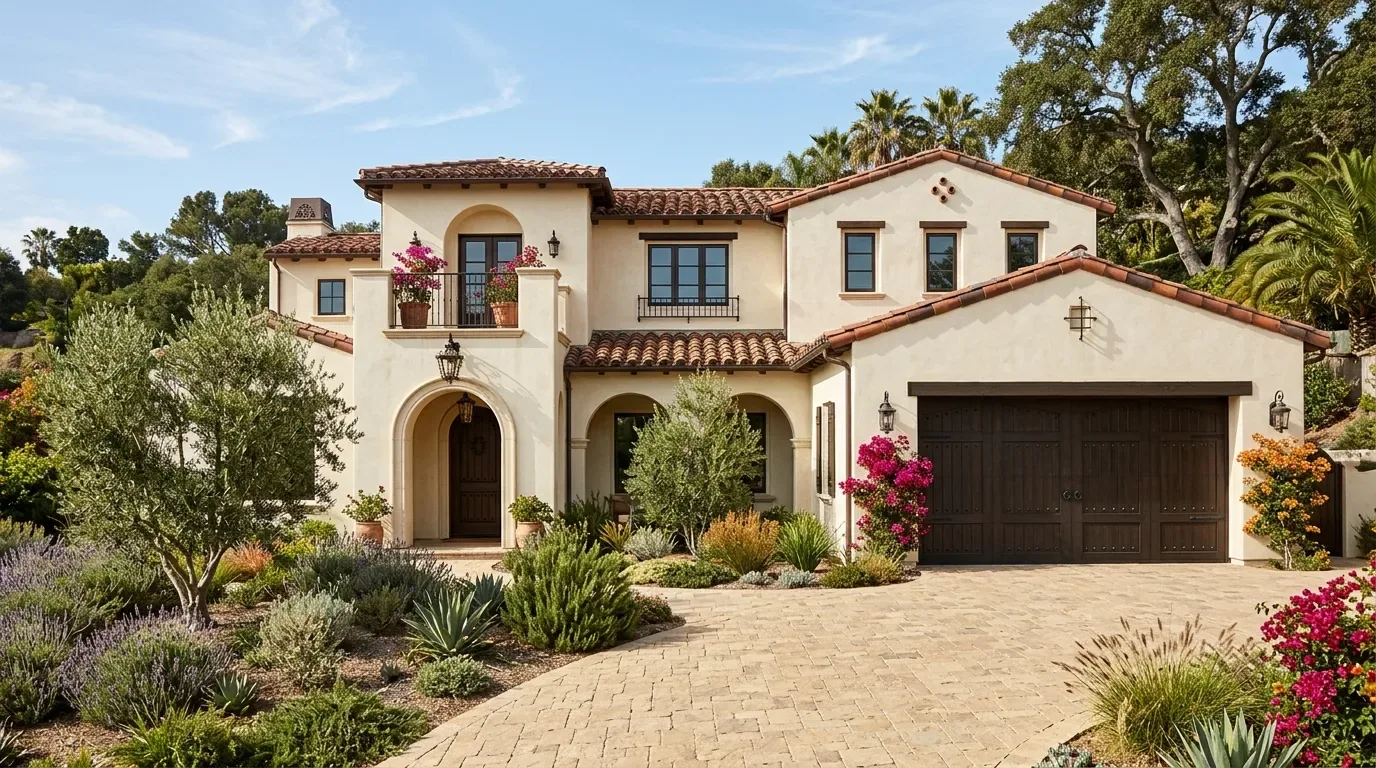
A straight swap is a half-day job: pull the old unit, mount a new rail and head, rewire the wall control, program the remotes, and set the travel limits and force settings for the actual door weight.
-
Force setting calibration
That last part matters - a lot of the original garages in this area have doors that got upgraded over the decades without anyone re-tuning the opener's force settings, which is a safety issue as much as a performance one. Given the cold-severe climate here, we lean toward belt-drive or jackshaft units with cold-rated lubricant in the gearbox rather than a bargain chain-drive that'll stiffen up every winter.
-
Belt drive noise isolation
If your garage is attached and finished, belt drive also means less noise transferred into the house. If the header framing is original to a 1970s build, we sometimes have to add a support brace before we hang a heavier unit - older framing wasn't always sized for today's opener weights.
-
Existing outlet requirement
We don't rewire your whole electrical panel or run new circuits as part of an opener install - if your garage doesn't have a dedicated outlet near the header, that's a separate job we'll flag before we start, not something we fold into the price.
Symptoms
The Symptom
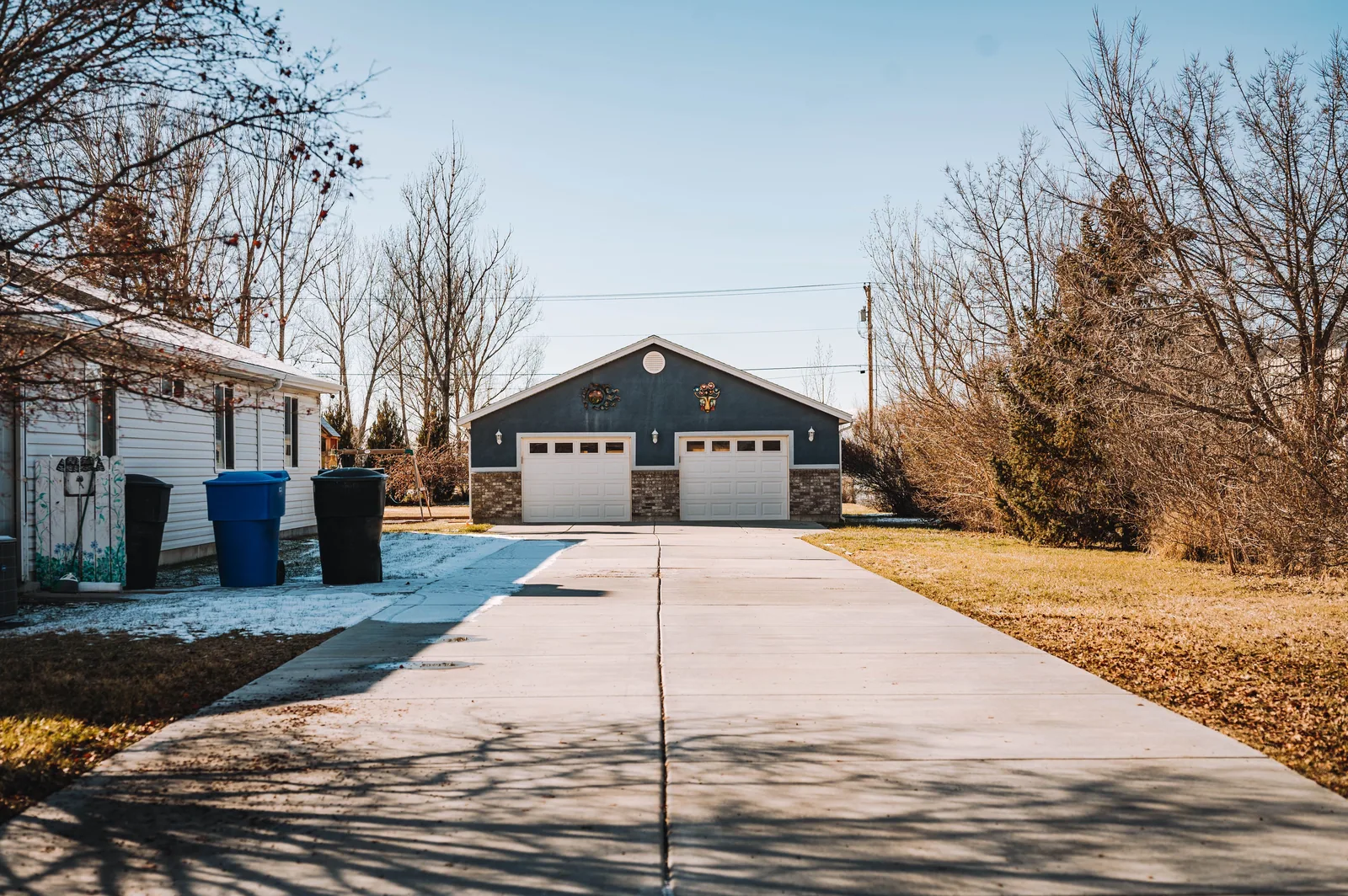
The calls we get from this area follow a pattern: opener runs but the door won't fully close, or it closes and immediately reverses. Nine times out of ten on a house from the 1960s-70s wave, that's a worn drive gear stripping inside the housing, or limit switches that have drifted after years of seasonal expansion and contraction. You'll hear grinding, or the light will blink but the motor won't engage the chain or belt at all.
A second pattern shows up on newer builds in the area, closer to the 1990s-2000s end of the range: the opener itself is fine, but a homeowner has swapped in a heavier insulated door and the original opener just can't lift it reliably anymore, especially once cold weather adds resistance. That's not a repair - that's a mismatch between the door and the motor, and the fix is a properly sized new opener, not another round of adjusting the force dial.
Job timing
Time on the Job
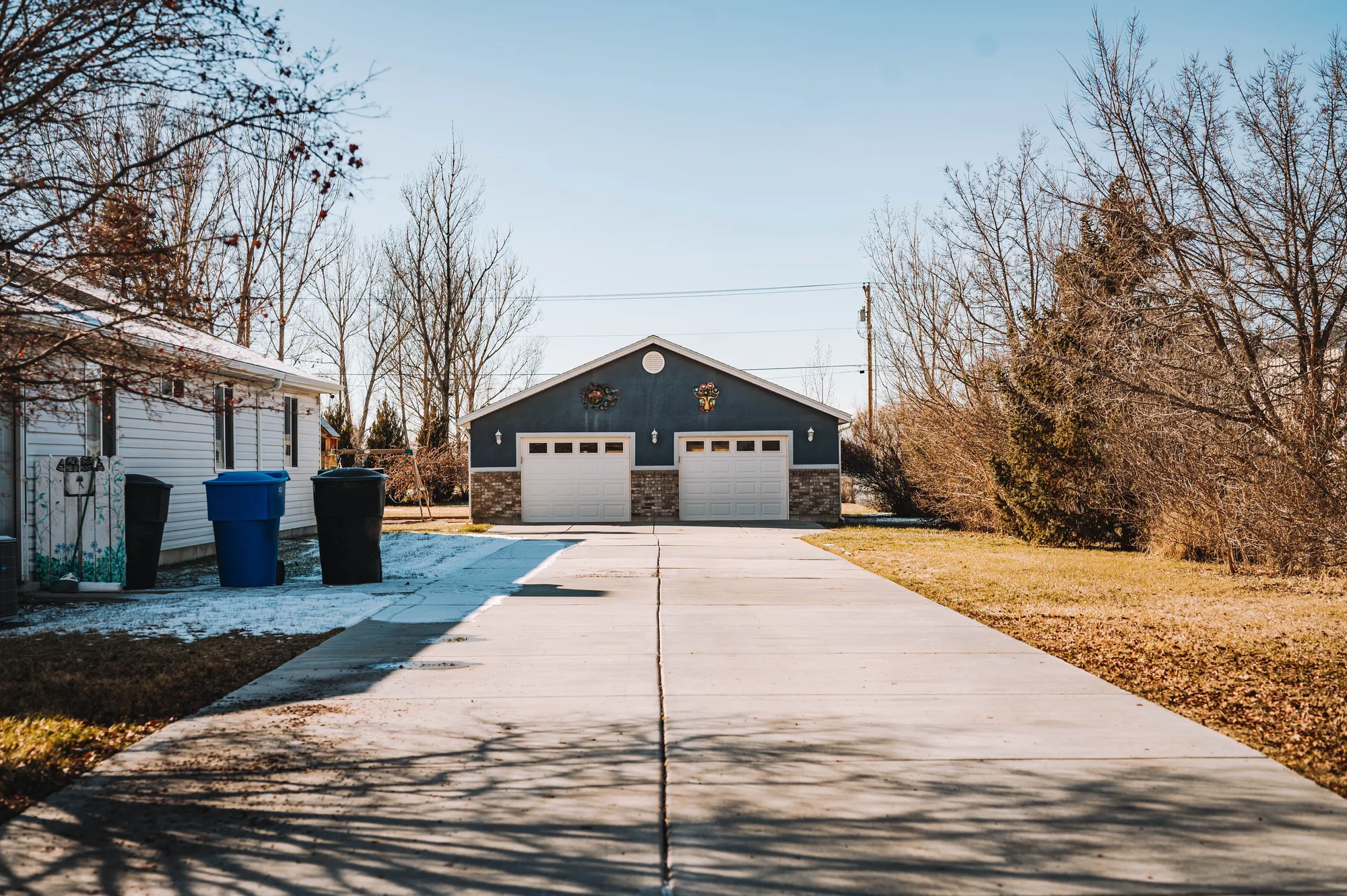
A standard opener replacement on a house with existing wiring and a standard header runs about half a day start to finish, including hauling off the old unit. If we're adding a header brace because the framing is original to an older build, or running new wiring because there's no outlet near the door, add time for that. We size every install to actual household needs rather than a one-size unit - with median incomes here supporting a mix of standard and heavier insulated doors, we keep two or three opener classes on the truck rather than a single default model.
Questions
Common questions
Do I need a new opener or just a repair?
If the motor runs but the door won't lift a heavier door reliably, or the gear is stripped, that's usually a mismatch or wear issue, not a wiring problem - replacement makes more sense than another repair. If the opener runs fine but limits or force settings just need adjusting, that's a repair, not a swap.
Will a new opener work better in cold weather?
A cold-rated belt or jackshaft unit with the right gearbox lubricant holds up better through a cold-severe winter than an older chain-drive built decades ago. It won't eliminate cold-weather stiffness in the door itself, but it removes the opener as the weak link.
Can you match my opener to my garage's wiring?
We install to the wiring that's already there when it's adequate. If there's no dedicated outlet near the header, we'll tell you before starting - that's a separate electrical job, not part of a standard opener install.
How long does an opener installation take?
About half a day for a standard swap with existing wiring and header framing. Add time if we need to brace an older header or run new wiring for the outlet.
Explore more
Explore More Services In Columbia, MD
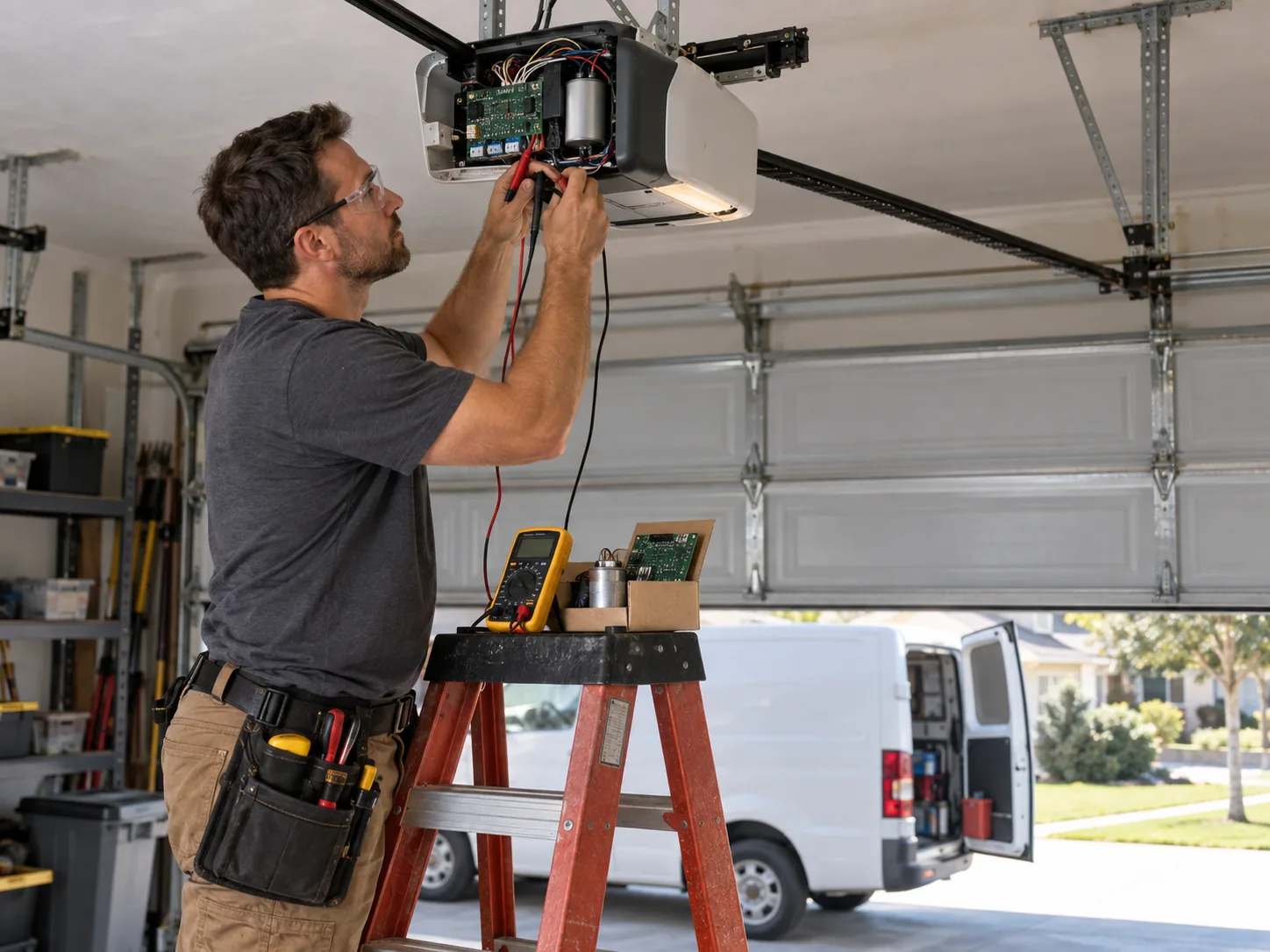
Emergency Garage Door Repair, Columbia MD
Broken spring or stuck door in Columbia, MD? Learn more →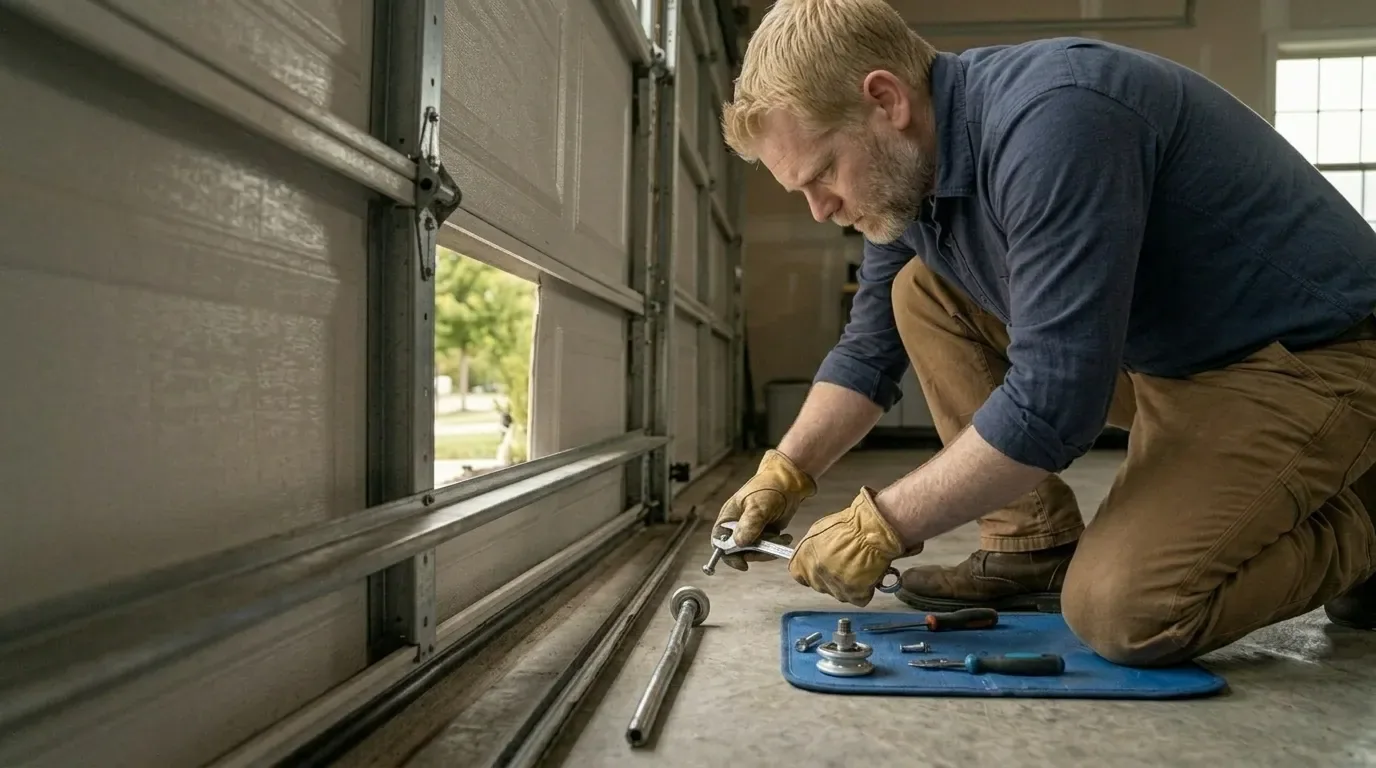
Garage Door Repair for Columbia's Older Doors and Cold Winters
Torsion springs and openers built for houses from the 1960s and 70s don't hold up to Columbia's cold winters. Learn more →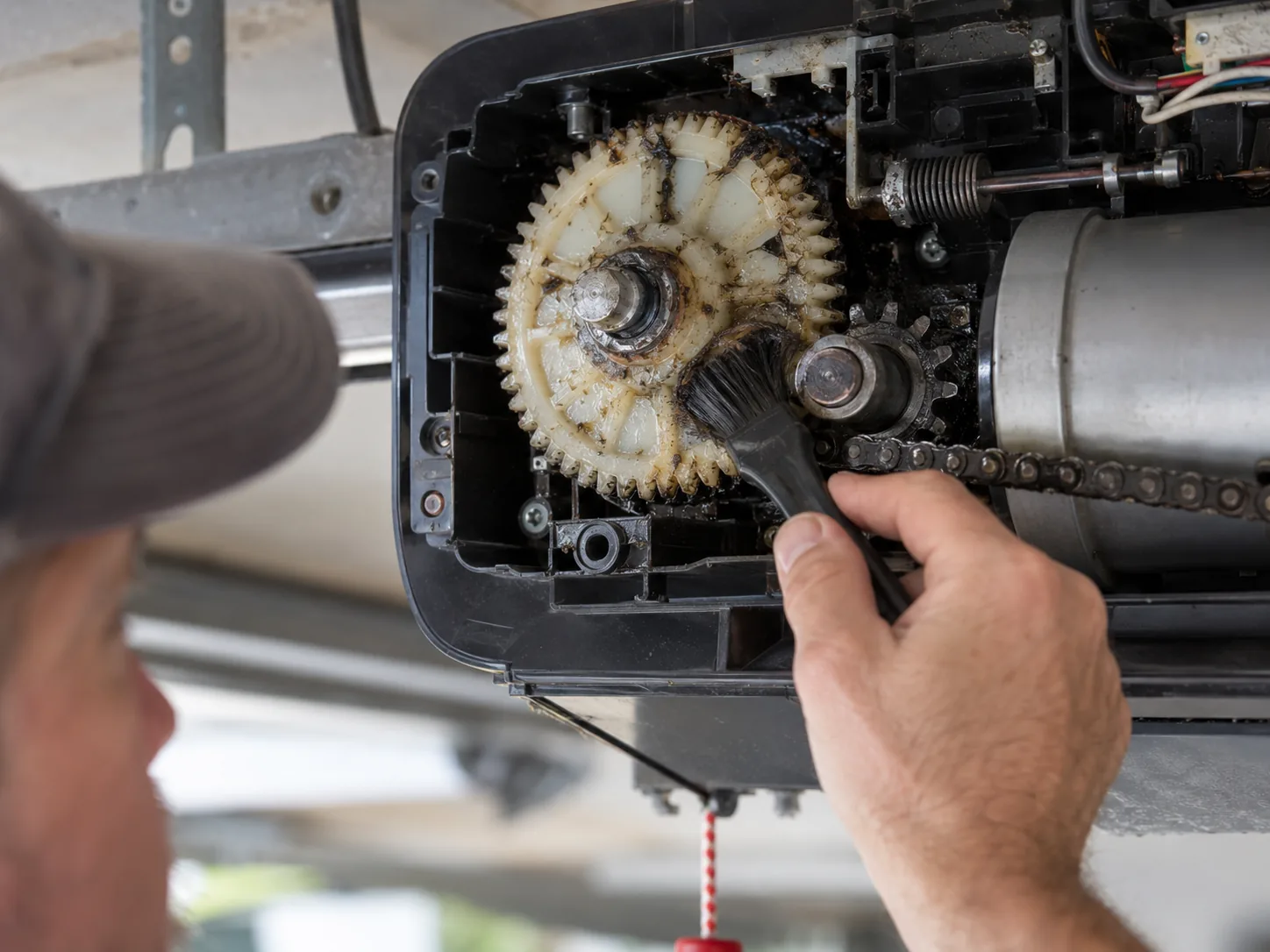
Garage Door Opener Repair for Columbia Homes
Opener repairs for Columbia, MD homes built from the 1960s through the 1980s, when cold winters and aging circuit boards cause openers to fail each year. Learn more →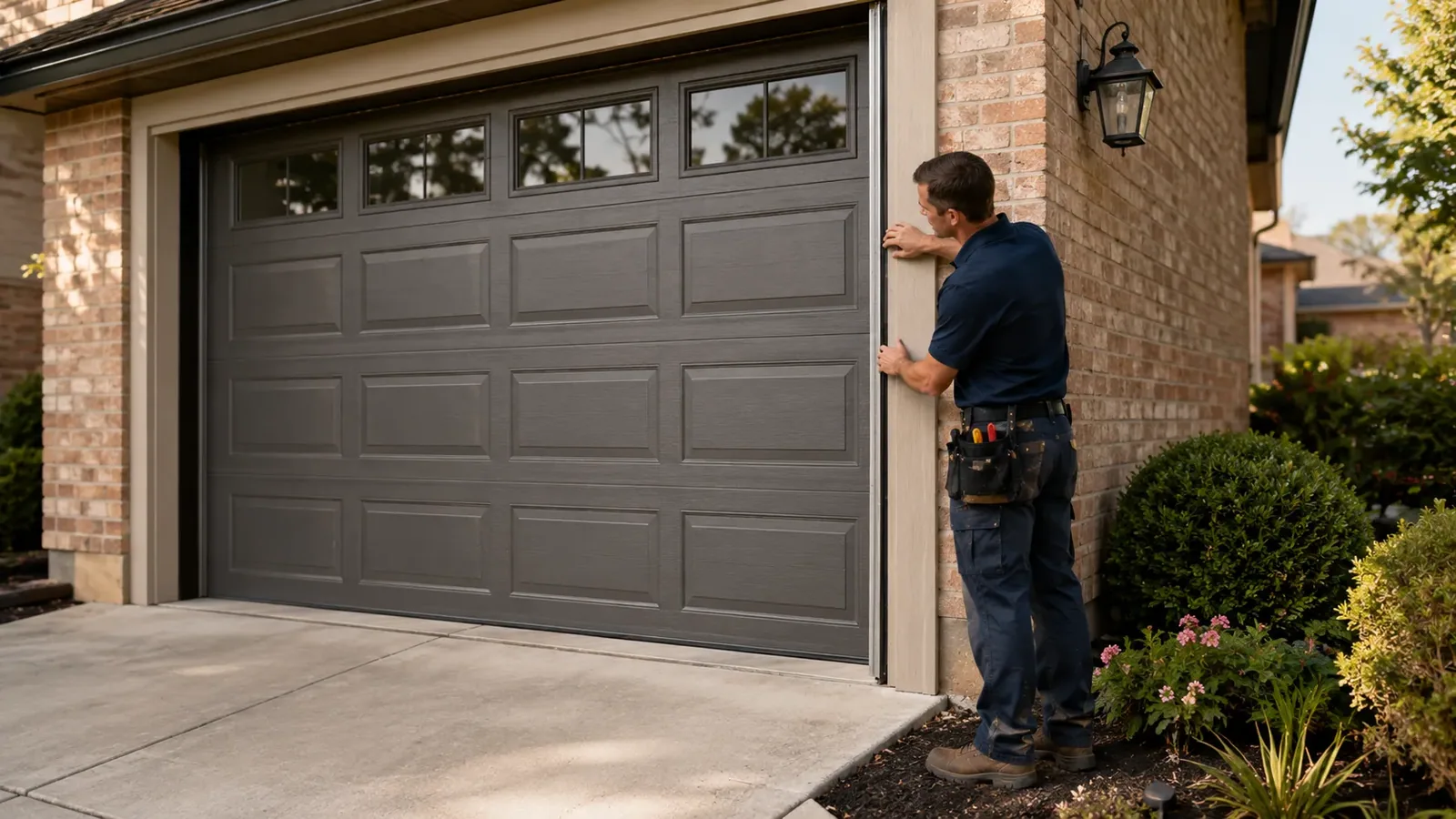
Garage Door Repair for Columbia's Aging Torsion Springs
Broken torsion spring or noisy opener in Columbia, MD? Learn more →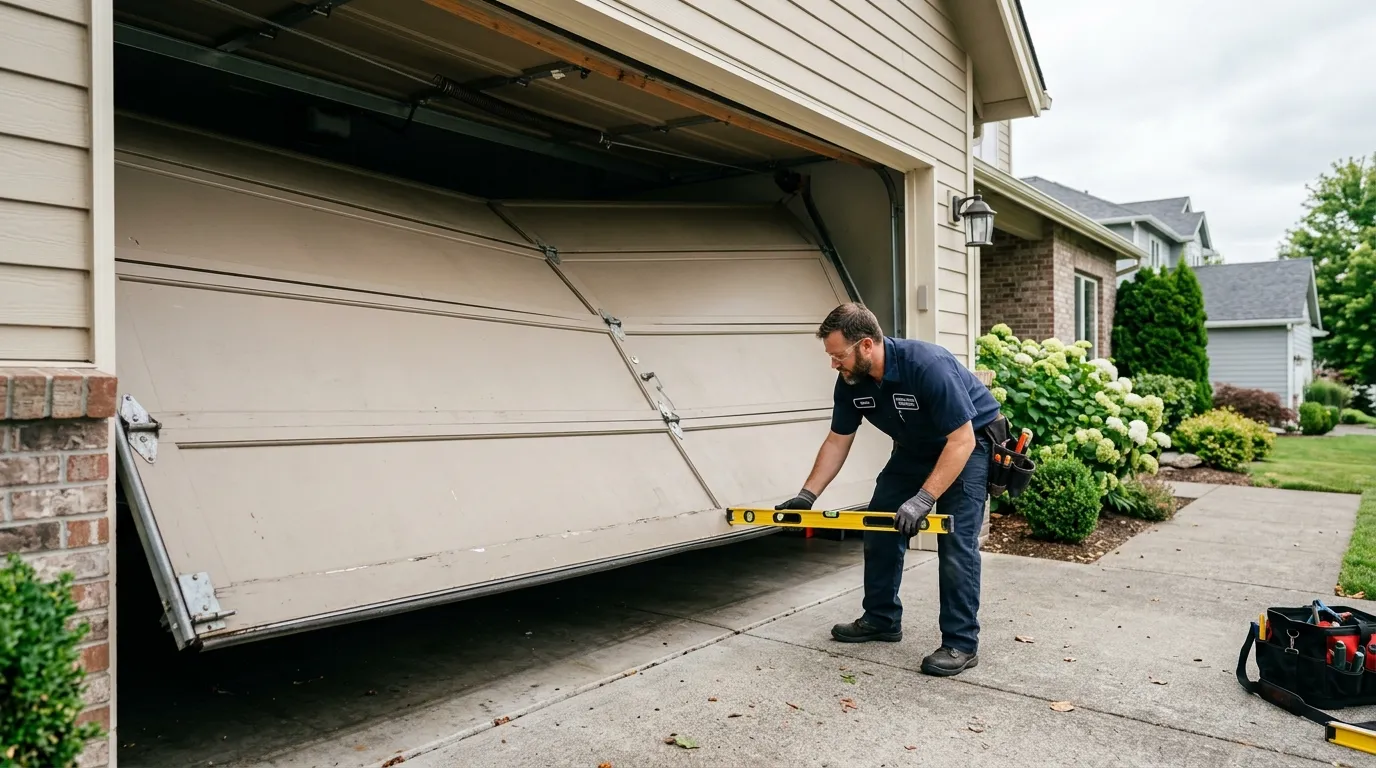
Garage Door Off Track? Here's Why That Happens in Columbia
Track misalignment on Columbia garage doors traces back to 1960s-70s framing and cold-climate freeze-thaw cycles. Learn more →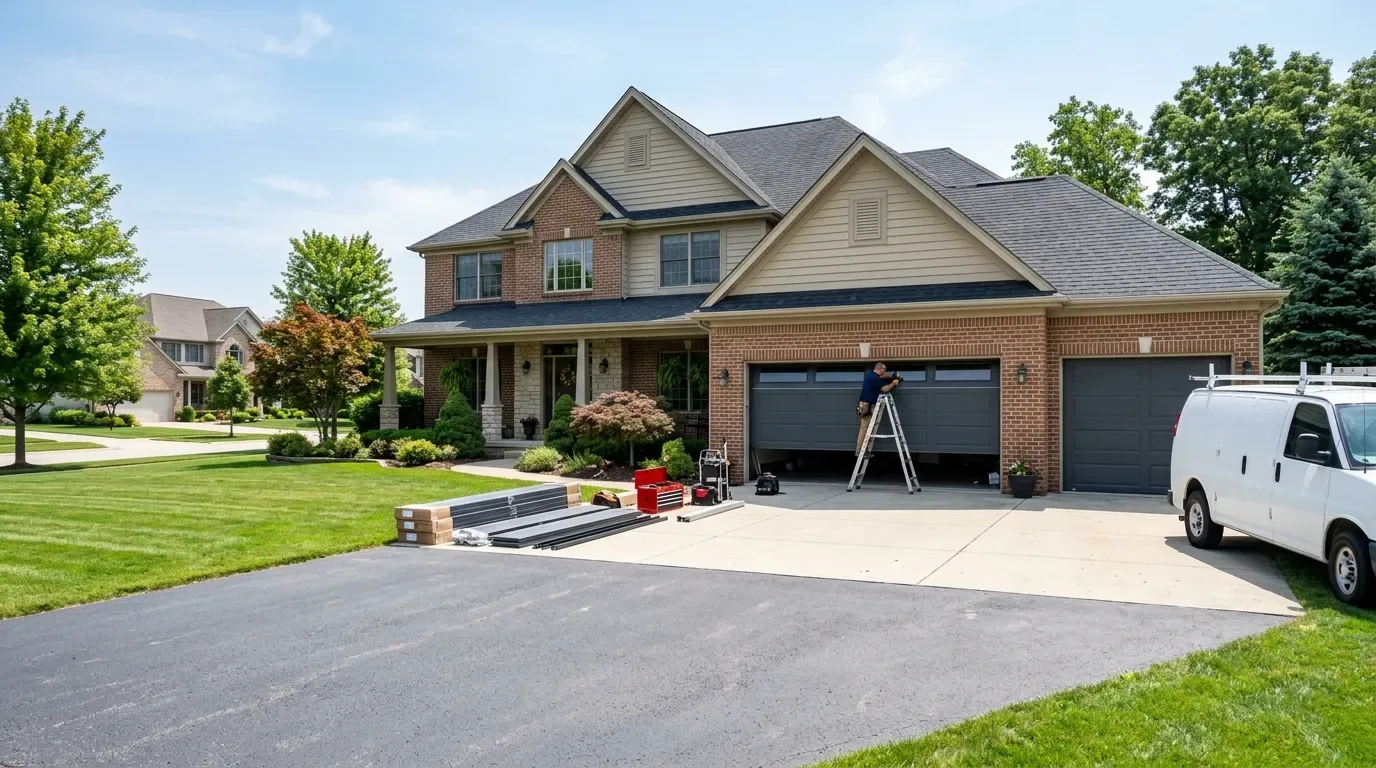
New Garage Door Installation for Columbia's Village Homes
Installing a new garage door in a Columbia village home built between the 1960s and 1976? Learn more →Ready when you are
Need a garage door sorted in Columbia?
Columbia Garage Door Pros repairs and installs garage doors, springs and openers in Columbia, MD and the surrounding area.